Which makeup brushes do you really need, and which are dispensable?
We tell you how many makeup brushes you really need, which ones are dispensable, and how to keep them clean, with prices and sponge alternatives for every step of your routine.
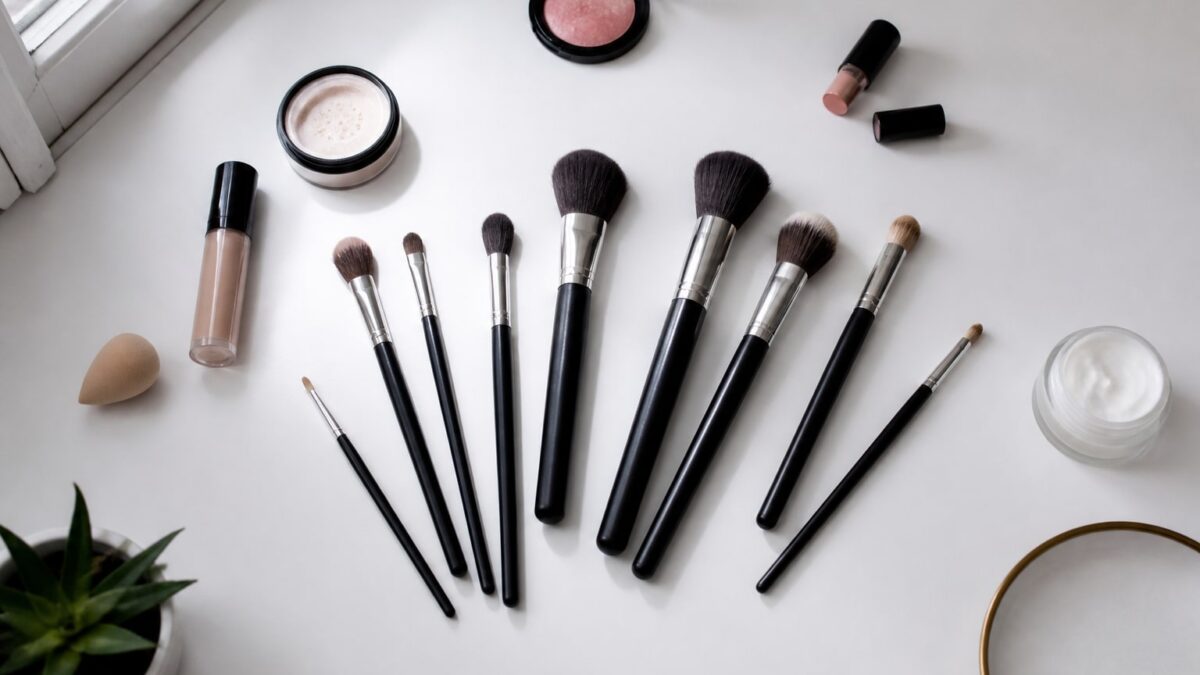
You open a twelve-piece brush set and use three. It has happened to all of us. The industry sells huge sets, but the reality is that with five or six well-chosen tools you can cover makeup for any day, including an important dinner or an afternoon wedding.
Here is the guide you would have wished for before buying the fifteen-brush kit that now gathers dust.
How many makeup brushes you really need
The short answer: between five and seven, if you do a full makeup look (base, concealer, powder, contour, blush and eyeshadow). If you only do your eyes or apply cream foundation with your fingers, three are more than enough.
The usual mistake is not having too few, but having many that do the same thing. One brush for cream blush and another for powder blush, for example, when a single dense synthetic brush can handle both textures.
Essential makeup brushes
This is the real foundation of any basic makeup brush kit, designed for beginners and also for those with experience who want to simplify.
- Foundation brush (buffing brush): dense synthetic bristles, to blend liquid or fluid foundation without leaving streaks.
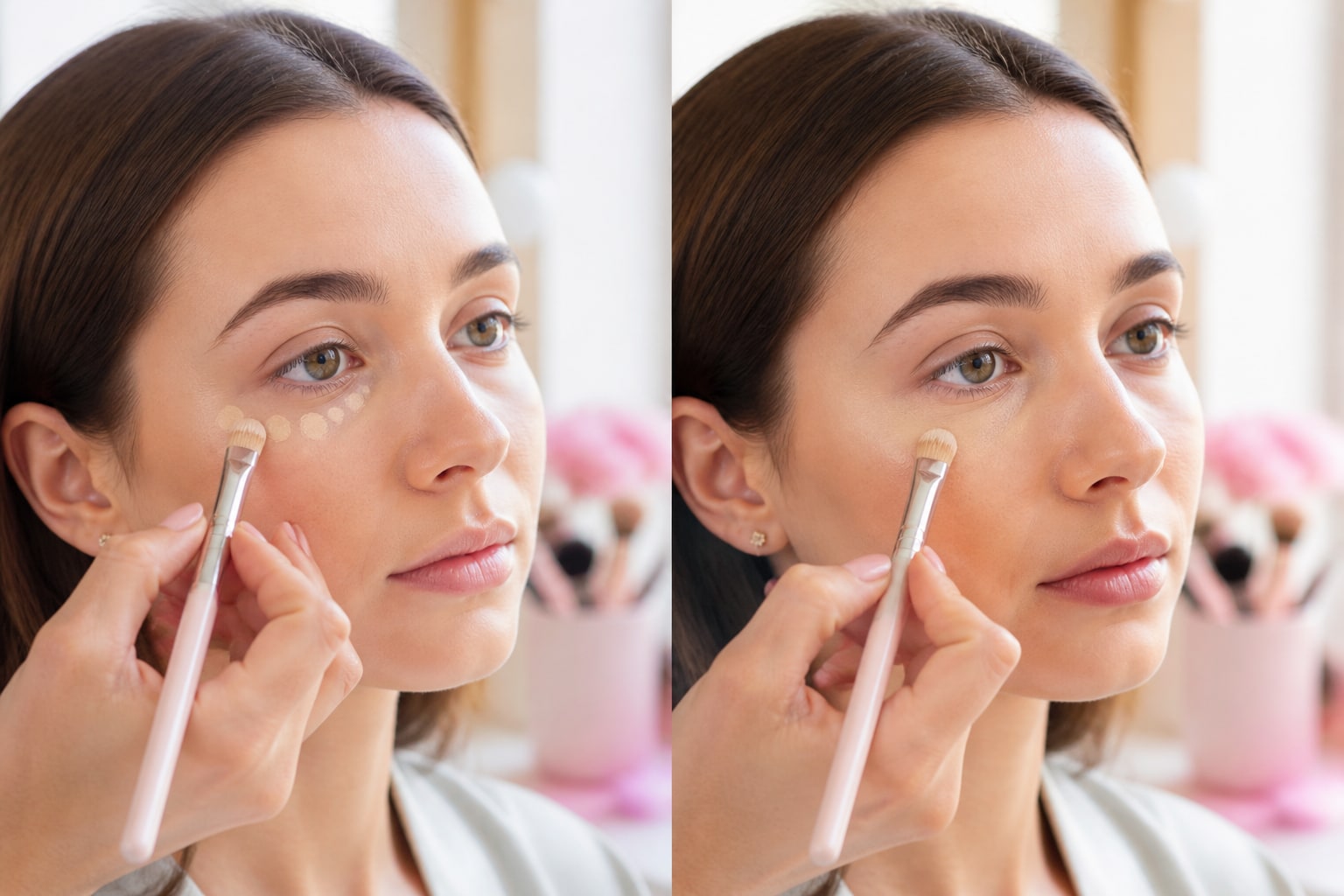
- Small, bevelled concealer brush: for dark circles and specific areas, precision over quantity of product.
- Large powder brush: natural or soft synthetic bristles, to set with translucent powder without lifting the base.
- Angled contour brush: key for sculpting cheekbones and jawline without leaving a block of colour.
- Rounded blush brush: applies colour in a diffused way, much more natural than using your finger.
- Flat eyeshadow brush (for applying colour) and dome-shaped blending brush: the minimum duo so the eyelid doesn’t end up with visible edges.
With those six or eight (if you count the two eye brushes separately) you have the correct order for applying makeup step by step from start to finish.
Dispensable brushes (even if they come in the set)
There are pieces that twelve- or fifteen-piece sets include only to justify the price of the pack:
- Eyebrow brush shaped like a comb: a recycled mascara wand does the same job.
- Lip brush: most liquid lipsticks already come with an applicator.
- “Highlighter” brush different from the blush brush: the same rounded brush, slightly smaller, works for both.
- Fan brush: very eye-catching on social media, but not very useful day to day unless you are a professional makeup artist.
Difference between makeup brushes and sponges
They are not interchangeable, each has its own function:
| Tool | Best for | Finish | Advantage | Drawback |
|---|---|---|---|---|
| Synthetic foundation brush | Fluid foundation, medium-high coverage | More coverage, velvety | Quick, little product wasted | Can streak if skin is very dry |
| Damp beauty blender-type sponge | Light foundation, concealer, BB cream | Natural, “skin on skin” | Blends edges almost on its own | Absorbs more product, must be washed daily |
| Powder brush | Setting makeup, loose powder | Matte, sealed | Control over quantity | Not suitable for liquids |
| Small bevelled sponge | Concealer, specific areas | Precise and luminous | Ideal for dark circles | Not very practical for the whole face |
If your skin tends to be dry, a damp sponge usually sits better than a brush, which can accentuate dryness. If you want more coverage and speed, the brush wins. Ideally, have both and use them depending on the product, as we explain in the guide on the difference between makeup primer, prebase and serum, where the type of texture also determines the tool.
How to clean makeup brushes so they last
A dirty brush not only accumulates bacteria: it also applies worse, because old product mixes with new and changes the finish.
- Face brushes (base, powder, contour): wash them once a week with neutral soap or a specific cleanser and lukewarm water, drying them flat so as not to damage the glue at the handle.
- Eye brushes: every ten to fifteen days is enough, unless you have sensitive eyes or use cream shadows, which dirty more.
- Between washes, a quick cleaning spray (like those from Essence or Sephora Collection, approx. €5–7) removes surface product in seconds.
Letting them dry standing up shortens their lifespan because water seeps toward the handle and loosens the bristles over time.
Best value makeup brushes by price range
You don’t need to spend a fortune for a brush to last for years. This is what you find in each price range in Spain:
| Range | Example brand | Approx. price | What to expect |
|---|---|---|---|
| Low-cost | Primor, Essence | €3–8 per piece | Fine for getting started, synthetic bristles lose their shape sooner |
| Mid-range | Real Techniques, Sephora Collection | €10–20 per piece | Good balance, dense bristles and durable handles |
| High-end | Zoeva, MAC | €25–45 per piece | Much superior blending, an investment that pays off with care |
Depending on the brand, today’s synthetic bristles handle both cream and powder textures well, so you don’t need to duplicate natural and synthetic unless you work a lot with highly pigmented shadows.
The conclusion: fewer brushes, better chosen
A well-cared-for six-piece kit performs better than a fifteen-piece one used half-heartedly. Start with the essentials, add only if you notice you’re missing something at a specific step—as happens with concealer before or after foundation, where the tool changes the result—and leave the fan brush for when you really need it, which will probably be never.
As an Amazon Associate, I earn from qualifying purchases.