What is the difference between primer, makeup base and makeup serum?
Serum, makeup base and primer are not the same, even though all three are applied before foundation. We explain what each one does, the order to use them in and how to choose based on your skin.
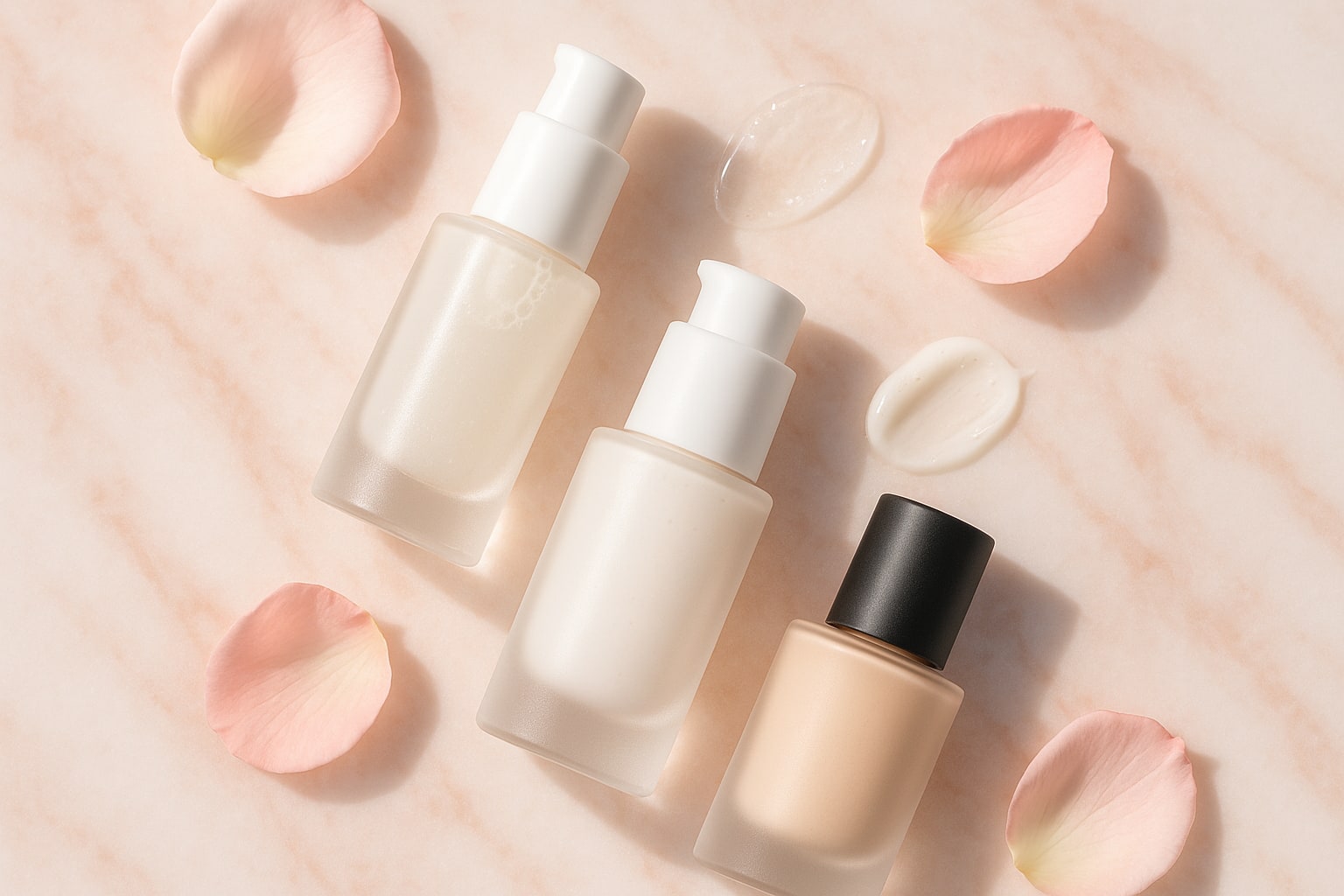
There are three products that raise the same question as soon as you step into the makeup aisle: serum, primer and makeup base. They sound alike, they go on the same areas of the face and brands shelve them side by side. But they are not interchangeable, and using the wrong one (or applying them in the wrong order) is one of the most common reasons foundation cracks, oxidises or slides off by mid-afternoon.
Let’s clear this up without beating around the bush.
The confusion is real: three products, one single step
The problem comes from marketing. Some primers are sold as “bases,” treatment serums promise a “primer effect,” and primers include skincare actives. The boundaries have become blurred, but technically each one serves a different purpose.
Summarised in a table, so you have it handy:
| Product | What it is | Main function | When it is applied |
|---|---|---|---|
| Serum | Treatment cosmetic | Hydrates, delivers actives (hyaluronic acid, vitamin C, niacinamide) | Skincare routine, before makeup |
| Makeup base | Bridge between skincare and makeup | Prepares, evens, hydrates or mattifies depending on formula | After skincare, before primer or foundation |
| Primer | Technical finish optimiser | Smooths pores, sets makeup, controls shine or adds radiance | Right before foundation |
What a serum is (and why it isn’t makeup)
Serum is a cosmetic treatment product, not a makeup one. Its lightweight texture and high concentration of actives (hyaluronic acid, vitamin C, niacinamide, peptides, retinol…) make it the star step of skincare.
It is not designed to prepare the skin for foundation, although it does so indirectly: well-hydrated skin is the best surface for makeup to settle on. Skip the serum and makeup tends to cling to dry patches and highlight texture.
A clear example: La Roche-Posay’s Hyalu B5 (30 ml, around €36.50 at pharmacies and Druni), or SkinCeuticals’ Hydrating B5 if you’re looking for a premium option. For a tighter budget, The Ordinary’s hyaluronic acid serum (30 ml, about €9) does the job perfectly well.
What a makeup base is
The makeup base is the bridge between skincare and makeup. Its job is to get the skin ready so foundation goes on smoothly and lasts longer: a little extra hydration, evening out tone, calming redness or adding luminosity.
Makeup bases usually have a creamy texture and a natural finish. They don’t dramatically smooth pores or create a matte film: that’s the primer’s job.
Options to consider:
- Milk Makeup Hydra Grip hydrating base (45 ml, €38 at Sephora).
- Revlon Photo Ready base (30 ml, €13.95 at El Corte Inglés and perfumeries).
- Pixi Glow Tonic Primer illuminating base, if your skin needs light.
What a makeup primer is
The primer is the technical optimiser. It’s applied right before foundation and solves very specific problems: open pores, excess sebum, lack of radiance or poor makeup grip. They usually contain silicones (dimethicone, specifically) that create a smooth surface for foundation to glide over like silk.
There are mattifying, illuminating, pore-blurring and setting primers. Choose based on what you want to correct, not on the brand:
- Benefit’s The Porefessional (22 ml, €35 at Sephora): the classic for minimising pores on the T-zone.
- Maybelline Pore Eraser (20 ml, €12.95 at Druni and supermarkets): the most honest low-cost alternative.
- Too Faced Hangover Primer (40 ml, €36 at Sephora): if your skin needs hydration and a dewy finish.
The right order: serum, makeup base, primer, foundation
This is the step that makes the difference between skin that looks good and skin that fades by three in the afternoon:
- Cleanser + toner (if you use them).
- Treatment serum. Let it absorb for 1–2 minutes.
- Moisturiser + SPF (non-negotiable).
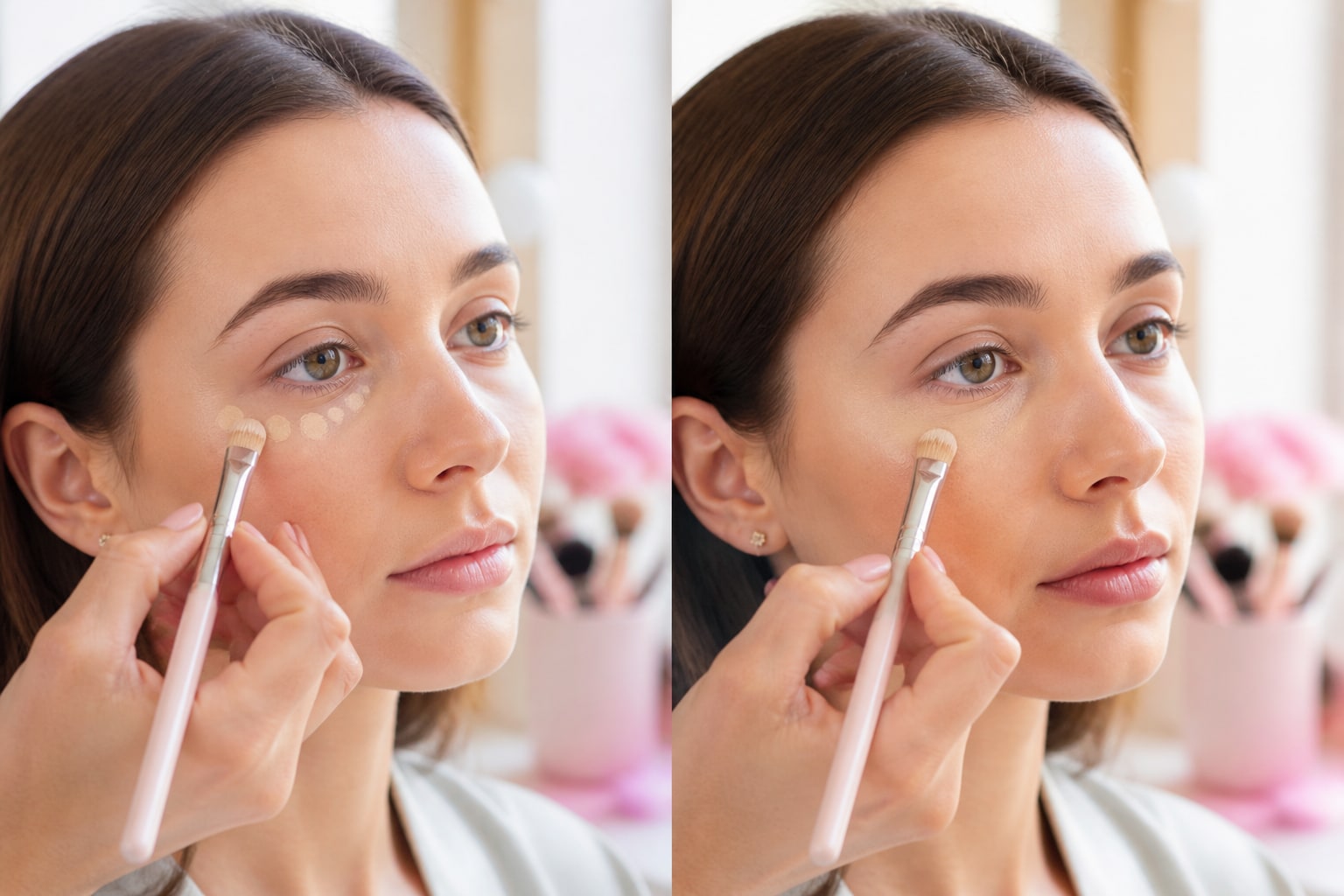
- Makeup base, in a thin layer.
- Primer on the areas that need it (pores, T-zone, eyelids).
- Foundation.
You don’t have to use all three every day. On a quick routine, serum + moisturiser with SPF + foundation is usually enough. Primer is optional and applied by area. If you want to go deeper into the full sequence, we’ve put together the correct order for applying makeup step by step.
How to choose based on your skin type
- Dry skin: serum with hyaluronic acid + hydrating base. Silicone primers can dry things out further, so only use one on the T-zone if needed.
- Combination skin: lightweight serum + mattifying primer only on forehead, nose and chin. On cheeks, hydrating base or nothing.
- Oily skin: serum with niacinamide + mattifying primer over the whole face. Skip the creamy base.
- Mature skin: serum with peptides or retinol (at night) + illuminating base. Avoid very mattifying primers: they accentuate texture.
- Sensitive or redness-prone skin: calming serum + base with green pigment. Test the primer on a small area first.
Common mistakes when combining them
The most frequent one is applying too much product. Serum, base and primer in thick layers make foundation move, crack or ball up (the infamous pilling). One hazelnut-sized amount of each is enough for the whole face.
Another mistake: mixing incompatible textures. A water-based serum with a pure silicone primer tends to ball up. If that happens, wait a minute between steps or switch to a hybrid primer with a water base.
And the classic: using primer on the whole face when you only need it on the T-zone. Less is more, and skin looks far more natural.
So do I need all three?
No. Serum is essential: it’s part of skincare and you need it even if you don’t wear makeup. Makeup base and primer are optional and in many cases overlap. If your skin is well hydrated and your foundation is good, serum + moisturiser + foundation will give you makeup that lasts. If your foundation wears off quickly or cracks, try adding primer before changing foundation. And if the problem is that your skin looks dull, an illuminating base is your ally.
What matters is understanding what each one does. From there, you build the routine that works for you, without piling up products for the sake of it.