How long does opened makeup last and when should you throw it away?
A clear guide to the expiry of opened makeup: months of shelf life per product, how to read the PAO symbol, and the signs that tell you it's time to throw it out.
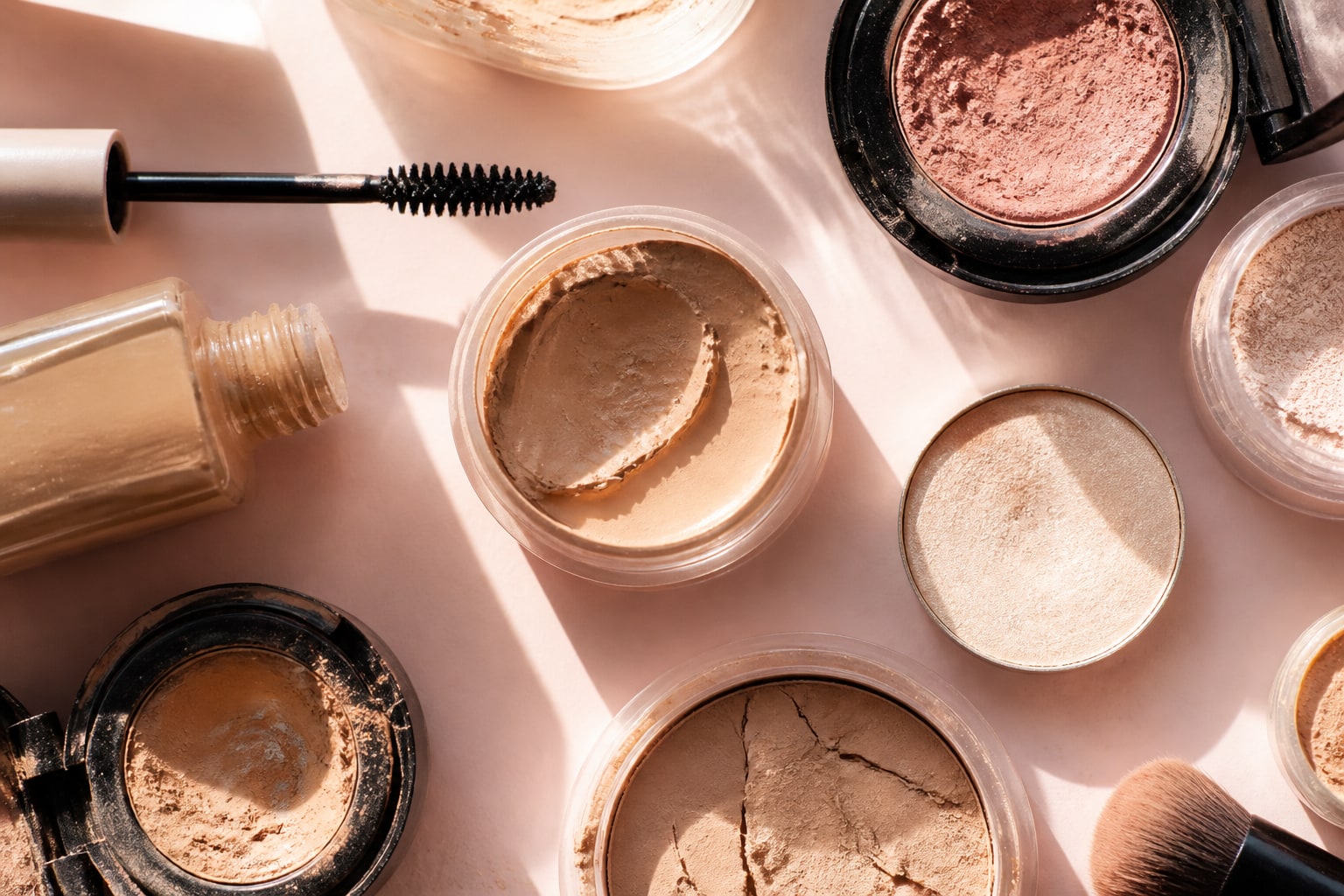
You open the bathroom drawer, find that mascara you loved two summers ago and wonder whether it still works. Spoiler: almost certainly not. Makeup, like any cosmetic product, has its own expiry date once opened, and respecting it isn’t a quirk: it’s hygiene and, in some cases, eye health.
Here’s an honest guide, with the months each category really lasts and the signs that tell you when it’s time to say goodbye.
What the PAO symbol is and where to find it
The PAO (Period After Opening) is that little drawing of an open jar with a number and an “M” that you’ll see on the packaging or the box. The number indicates the months the manufacturer guarantees the product’s safety and effectiveness from the moment you open it.
If it says “6M”, you have six months. If it says “12M”, one year. It’s usually on the back, in small print, near the ingredients or the batch number. On very small products (a lipstick, an eyeliner) it may appear only on the outer packaging, so it’s worth checking before you throw it away.
Expiry date vs. PAO: they’re not the same
The expiry date (the one with an hourglass or “exp.”) applies to products with a shelf life of less than 30 months unopened. The PAO, on the other hand, starts counting the day you break the seal. A serum can stay perfect sealed for three years and go bad six months after you open it.
A friend’s tip: write the opening date on the base of the container with a permanent marker. It may seem excessive, but it saves you doubts.
How long each type of opened makeup lasts
This is the reference table worth keeping handy. These are the usual timeframes set by the cosmetics industry; each brand may adjust them a little up or down.
| Product | Duration after opening | Usual PAO |
|---|---|---|
| Mascara | 3 months | 3M-6M |
| Liquid eyeliner | 3-6 months | 6M |
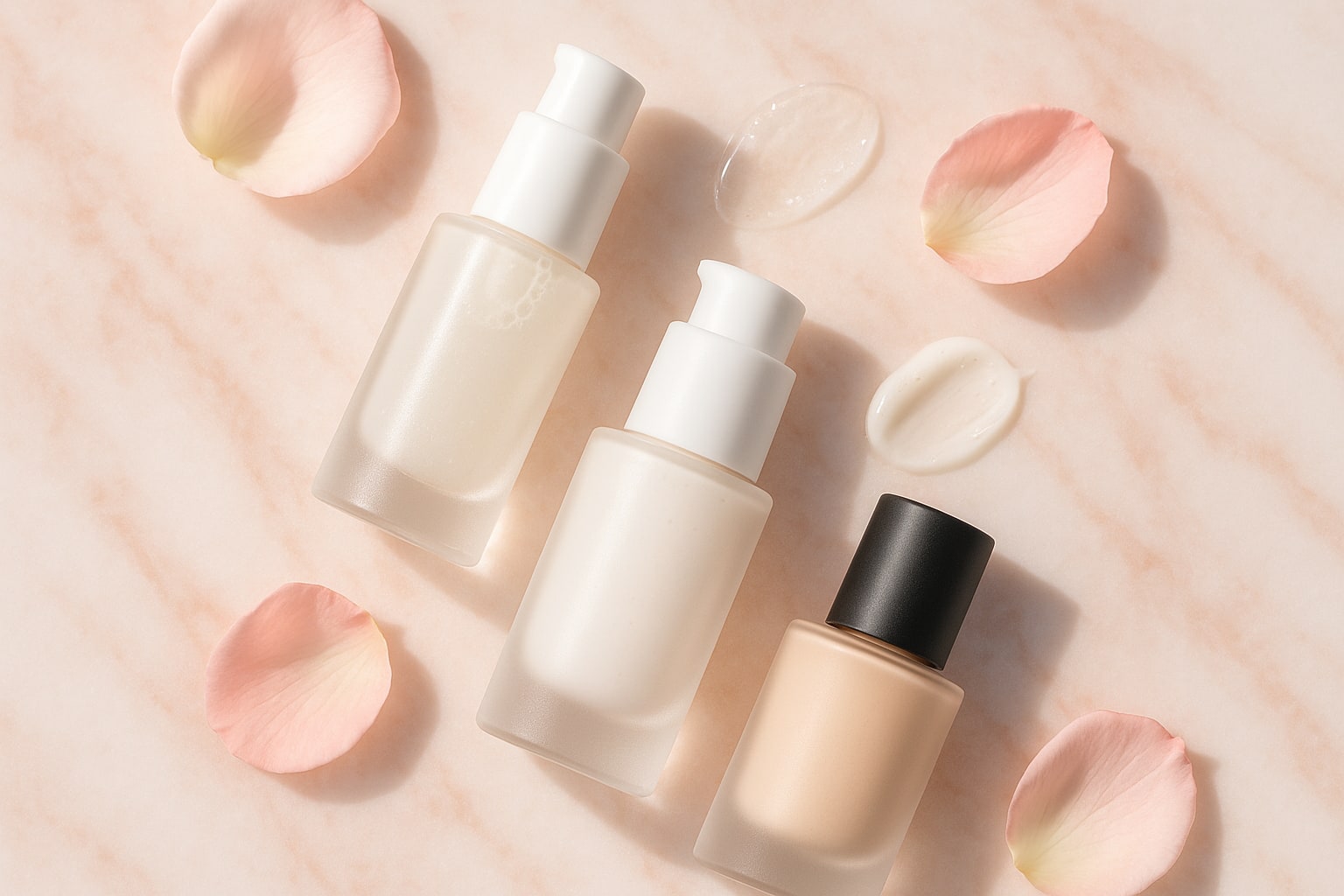
| Liquid foundation | 6-12 months | 6M-12M |
| Powder foundation and compacts | 12-24 months | 12M-24M |
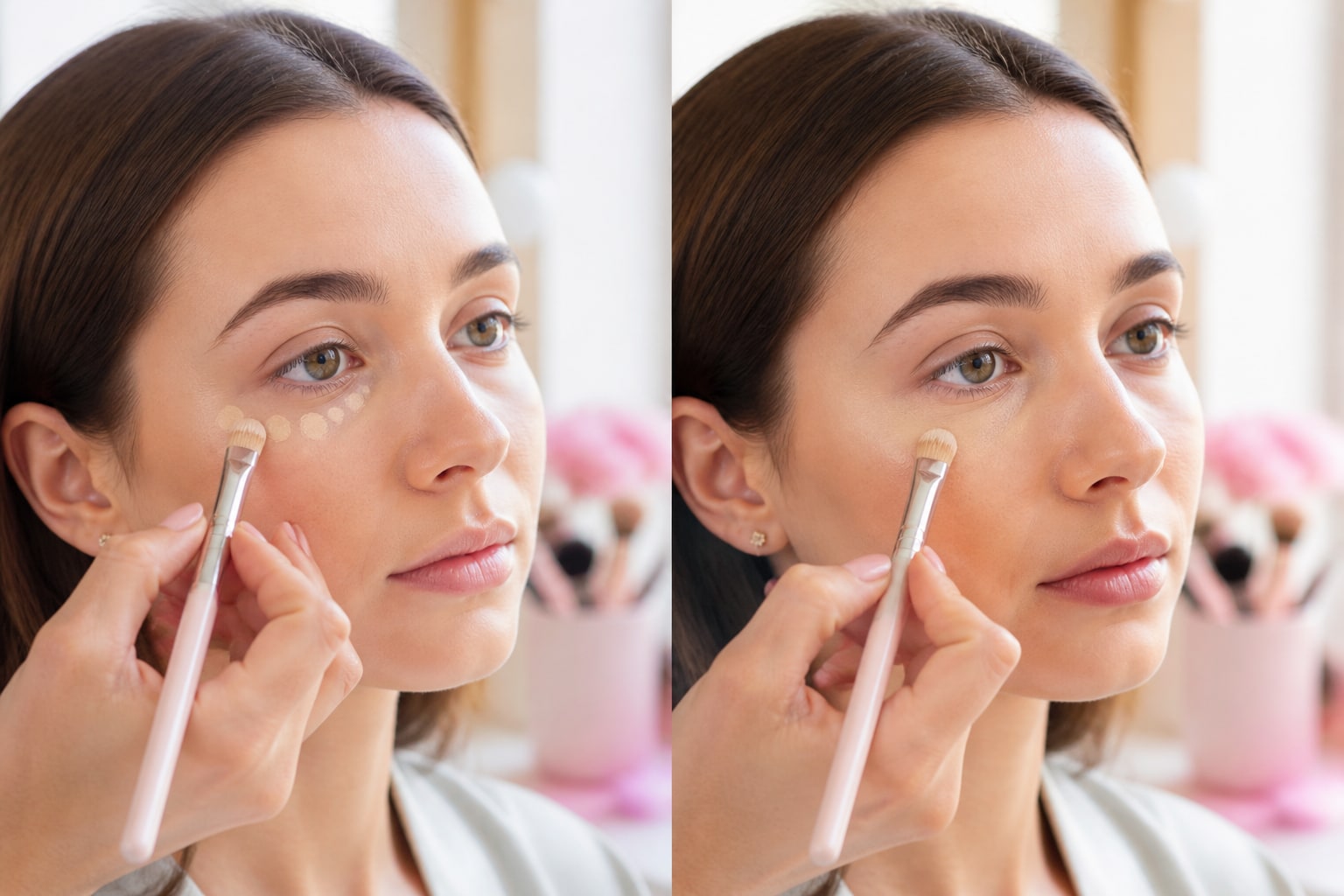
| Liquid concealer | 6-12 months | 6M-12M |
| Classic lipstick | 12-18 months | 12M-18M |
| Gloss and liquid lipsticks | 6-12 months | 6M-12M |
| Powder eyeshadows | 24 months | 24M-36M |
| Cream eyeshadows | 6-12 months | 12M |
| Powder blush and bronzer | 24 months | 24M |
| Eye and lip liners (pencil) | 12-24 months | 18M |
| Face primer | 6-12 months | 12M |
Mascara: the strictest of all
Three months. Yes, even if there’s half left. Mascara is the product with the highest risk because the applicator goes in and out of the tube introducing bacteria, and you do it close to the eye. If you notice it smells odd, separates or becomes clumpy before time, throw it out.
Never share it, never add water or serum to “revive” it and, if you’ve had conjunctivitis or a stye, throw it away straight away.
Liquid and gel eyeliner: three to six months
Same principle as mascara: proximity to the eye and a reusable applicator. Pencils last longer (up to two years) because sharpening them removes the contaminated surface layer. That’s a real advantage of the pencil format over liquid.
Foundation: between six months and a year
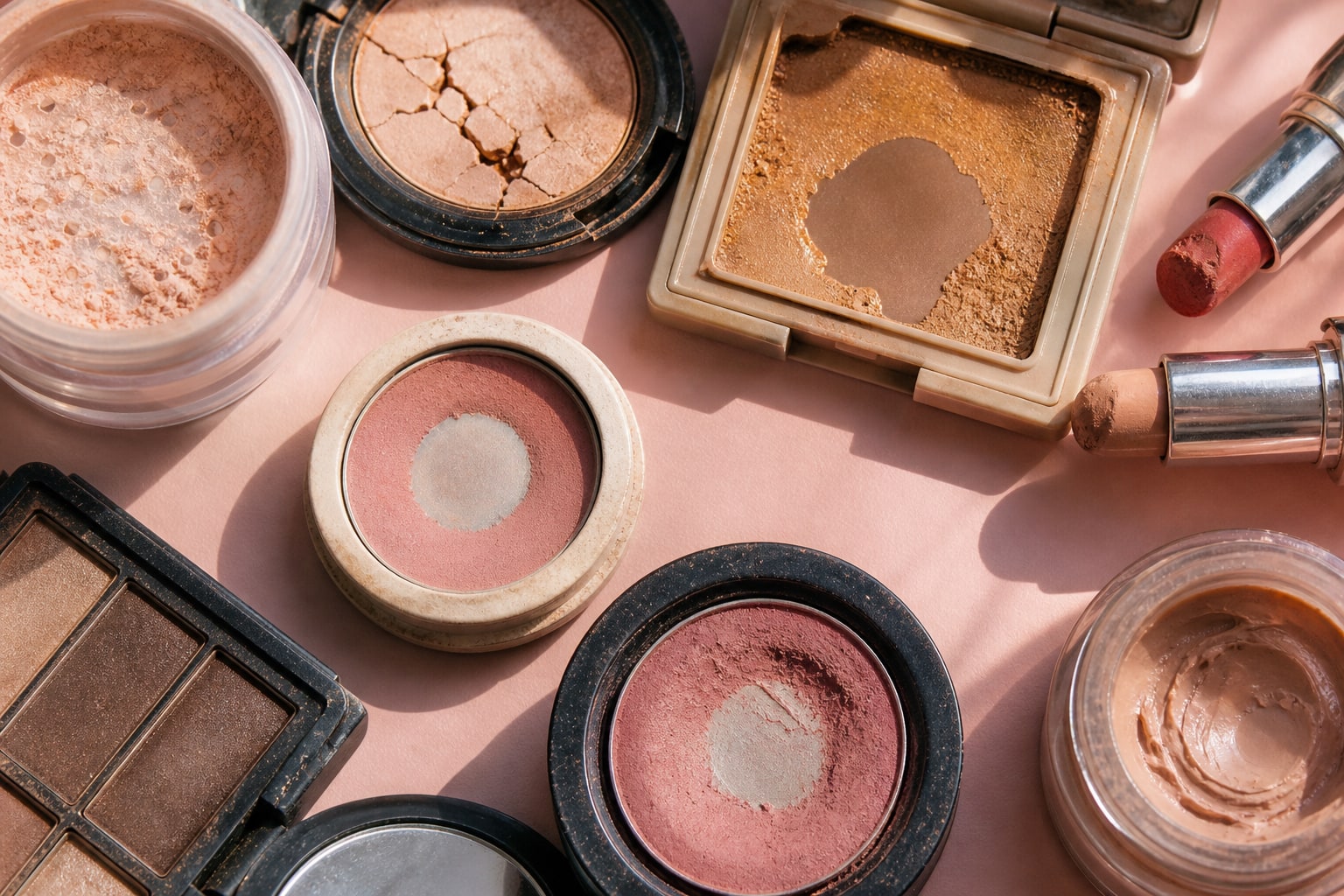
A liquid foundation with a pump lasts better than one with a wide opening, because the product doesn’t come into contact with your fingers. If you notice it separating, changing colour (it oxidises and yellows) or smelling of rancid oil, it’s past its best. Formulas with SPF lose solar effectiveness before they visibly expire, an important detail if you rely on it for daily protection.
Lipsticks, glosses and lip liners
Classic lipsticks last between 12 and 18 months. If you see droplets on the surface, they smell of old wax or the texture becomes hard and drags, throw them out. Glosses and liquid lipsticks last less (6-12 months) because they contain more water. Pencil liners, well sharpened, can last up to two years.
Eyeshadows, blushes and powders
These are the survivors of the makeup bag: up to two years, sometimes three. Since they contain no water, bacteria have a harder time. That said, clean your brushes frequently, because they’re what contaminates the powder. If you see a greasy film on the surface of an eyeshadow, it’s a trace of skin oil from your fingers or from an unwashed brush.
Signs you should throw it away now
Beyond the PAO, trust your senses:
- Strange, sour or metallic smell.
- Change in colour or texture (separation, lumps, dried crust).
- Stings, pulls or irritates when applied.
- It has been for months in the car or near a sunny window.
- You used it during an eye infection or a cold sore.
Real risks of using expired makeup
This isn’t alarmism: expired mascara is the leading cause of cosmetic bacterial conjunctivitis. An old foundation can trigger outbreaks of acne, folliculitis or dermatitis. An oxidised lipstick loses pigment and gains an unpleasant taste, but above all it becomes a breeding ground if you’ve used it with a cold sore.
How to extend the shelf life of your products
- Close containers properly after each use.
- Keep them away from the steamy bathroom and direct sunlight.
- Wash brushes every week and sponges every three or four uses.
- Don’t add water or other products to “recover” textures.
- Use a spatula or pump for creams and jar-packed foundations.
The practical rule for cleaning out your makeup bag
Twice a year, empty the whole makeup bag, check the PAO and opening date, smell, test textures on the back of your hand and throw out without regret anything that fails the test. It’s the same gesture we make with the wardrobe when we review which pieces still work and which don’t: a well-kept makeup bag performs far better than one full of half-used products. And if you’re also rethinking your application routine, reviewing the correct order for applying makeup step by step is a good complement to this tune-up.