What is a timeless garment and which ones are worth the investment?
We define what makes a garment timeless using objective criteria of quality, cut and cost per wear, and we review the seven pieces that do justify spending more in 2026.
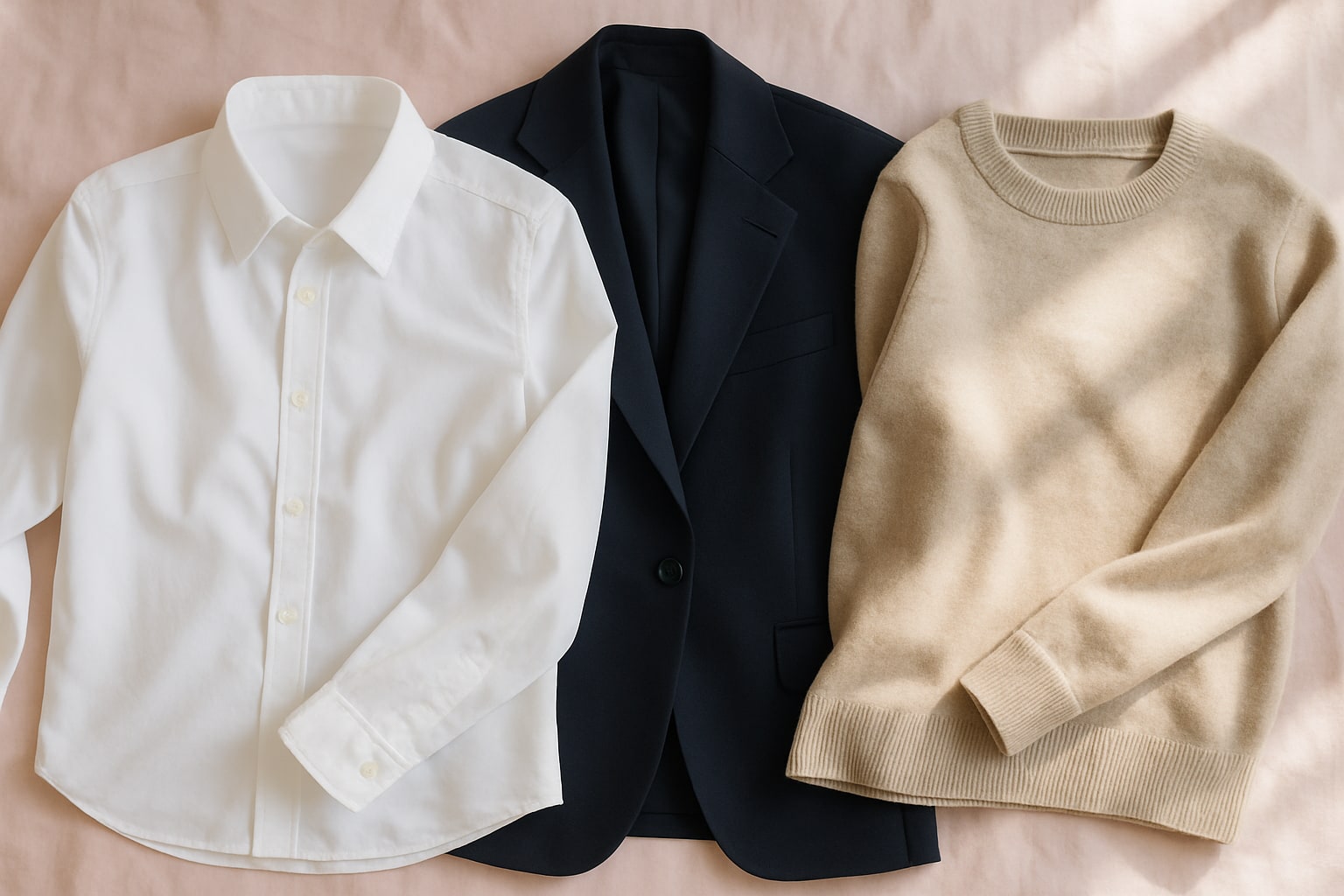
There is a word that comes up every season in editorials, campaigns and press releases: timeless. It is used to sell everything from a €2,000 coat to a €15 T-shirt, and along the way it has lost some of its meaning. Let’s give it back. A timeless garment is not one that “doesn’t go out of style” by chance, but one that meets a series of measurable conditions that keep it relevant in your wardrobe five or ten years from now.
This guide is designed to help you tell apart what deserves a real investment from what only carries the price tag. With criteria, examples and a list of seven pieces that, when well chosen, pay for themselves.
What we mean by a timeless garment
A timeless garment is one whose design, fabric and cut remain current regardless of the trend cycle. It does not depend on a seasonal colour, a viral print or a silhouette that expires in two years. It works in 2026 and will still work in 2031.
It should not be confused with a basic piece. A white cotton T-shirt is basic; a Burberry trench coat is timeless. The first is a neutral base; the second is a piece with its own identity that has proven its relevance for decades.
| Criterion | Timeless garment | Trend garment |
|---|---|---|
| Aesthetic longevity | 10+ years | 1-3 seasons |
| Design | Classic silhouette, minimal details | Silhouette defined by the moment |
| Fabric | Natural or high-quality blend | Variable, often synthetic |
| Cost per wear | Low in the long run | High if poorly used |
| Versatility | High, goes with almost everything | Medium or low |
The four objective criteria that define it
1. Fabric quality
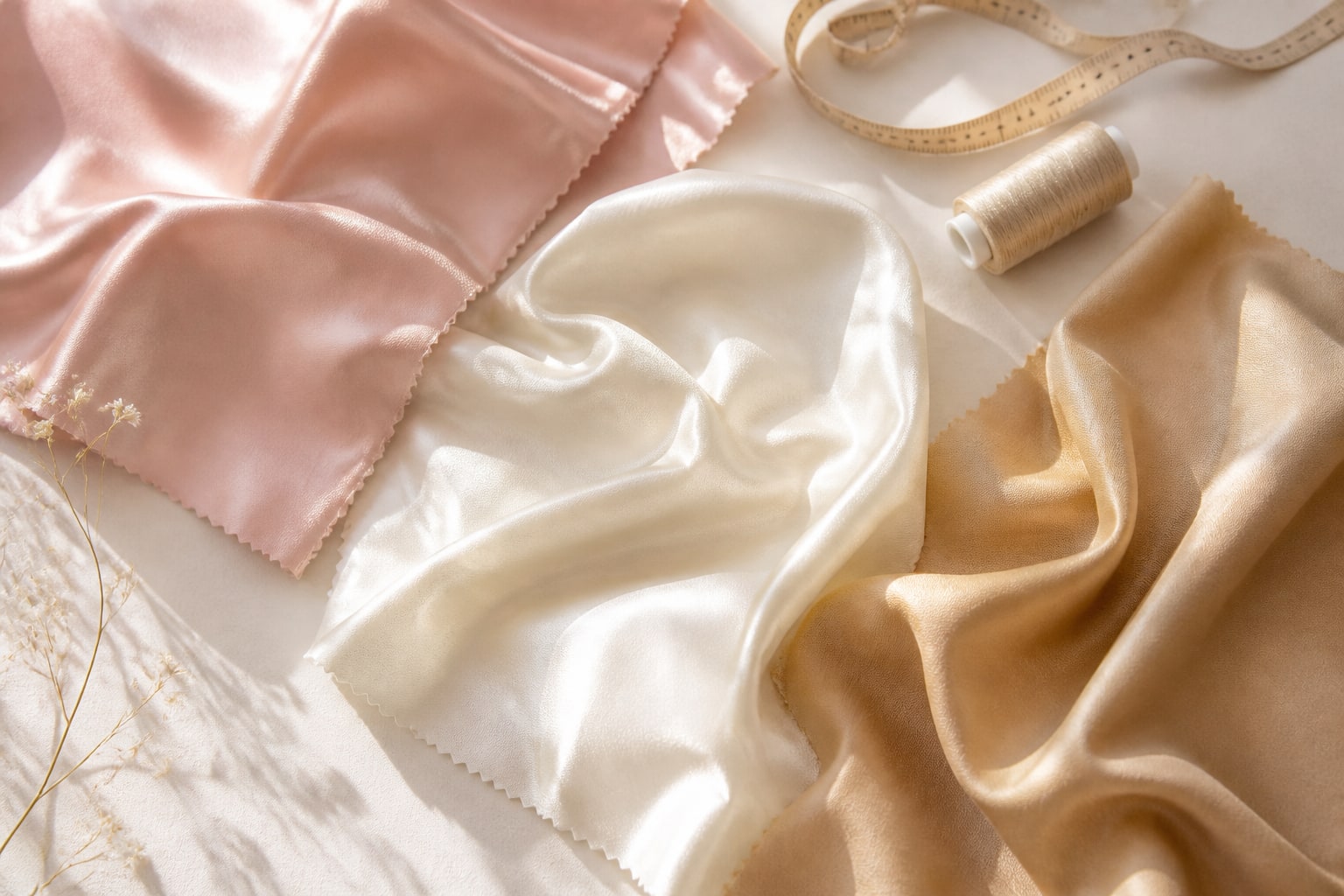
Virgin wool, cashmere, Pima or Egyptian cotton, European linen, natural silk, vegetable-tanned leather. These materials age well, can be repaired and keep their drape after many washes. A polyester, however good it looks in the shop, usually loses its shape within a season.
2. Cut and construction
Look at straight seams, interior linings, buttonholes finished by hand or machine with dense thread, buttons sewn with a shank. A well-made blazer has weight: it has interfacing, light shoulder pads and a lining that doesn’t pull. That structure is what keeps it standing ten years later.
3. Versatility
It should combine with at least three different registers in your wardrobe: office, dinner, weekend. If it only works for one very specific occasion, it is not timeless, it is occasional.
4. Cost per wear
This is the most honest metric. Divide the price by the number of times you will wear it. A €800 coat worn 80 times a year for five years comes to €2 per wear. A €60 blouse worn three times comes to €20. The maths doesn’t lie.
The 7 pieces that do deserve the investment
Here is the list. They are not seven by whim: they are the ones that, when well chosen, cover 80% of your dressed life.
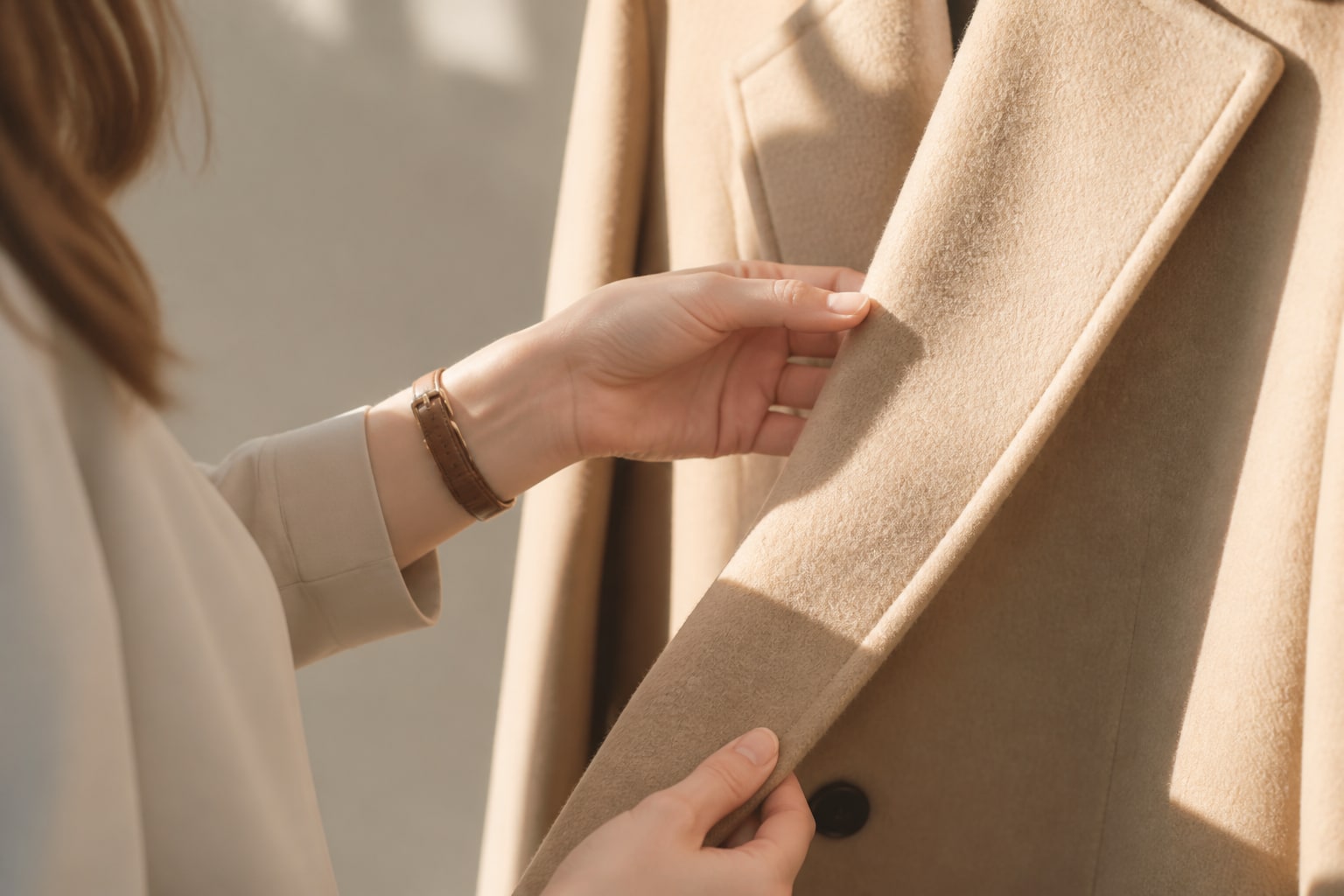
1. The straight wool coat
We look for virgin wool (ideally 90% or more), midi length or below the knee, straight or slightly oversized cut, in camel, black or charcoal grey. Max Mara (models such as the Manuela) sits around €1,800-2,300; Massimo Dutti has very decent wool and cashmere options between €299 and €399; and COS releases straight coats in virgin wool for €225-275 every autumn.
Pairs with jeans, with tailored trousers and with midi dresses. Avoid it if you live in a very mild climate: you won’t get your money’s worth.
2. The classic trench coat
Beige trench, midi length, belt in the same fabric, double-breasted. Burberry is the historic reference (from €1,900), but brands such as Massimo Dutti (€159-199) or Mango (€99-129) offer very good versions in cotton with a waterproof treatment.
3. The structured blazer
Black or navy, masculine cut, one or two buttons. If you have doubts about terminology, here we explain the difference between a blazer and a sports jacket. For a real investment, look at The Row, Totême or Massimo Dutti’s Studio line; to try before investing, Zara and Mango have decent cuts between €60 and €90.
4. The straight tailored trousers
Cool wool in summer, denser wool in winter, high waist, a clean drape down to the instep. Totême, Arket and COS are reliable references between €120 and €250. The key is the length: neither grazing the floor nor at the ankle unless that is the intended effect.
5. The white poplin shirt
100% cotton, preferably Italian or Japanese poplin. Carolina Herrera set a standard; today, brands such as The Shirt Society, Massimo Dutti or Uniqlo + J’s white line offer options between €40 and €180.
6. The structured leather bag
Medium size, vegetable-tanned cowhide, discreet closure, in black, cognac or burgundy. Loewe Puzzle, Celine Classic, Polène Numéro Un: three references that have been at the forefront for years. If the budget doesn’t stretch, Polène (€280-450) and Vagabond are making very good bags. If you want to dig deeper into building your minimal collection, you may be interested in the five-piece rule.
7. Leather court shoes
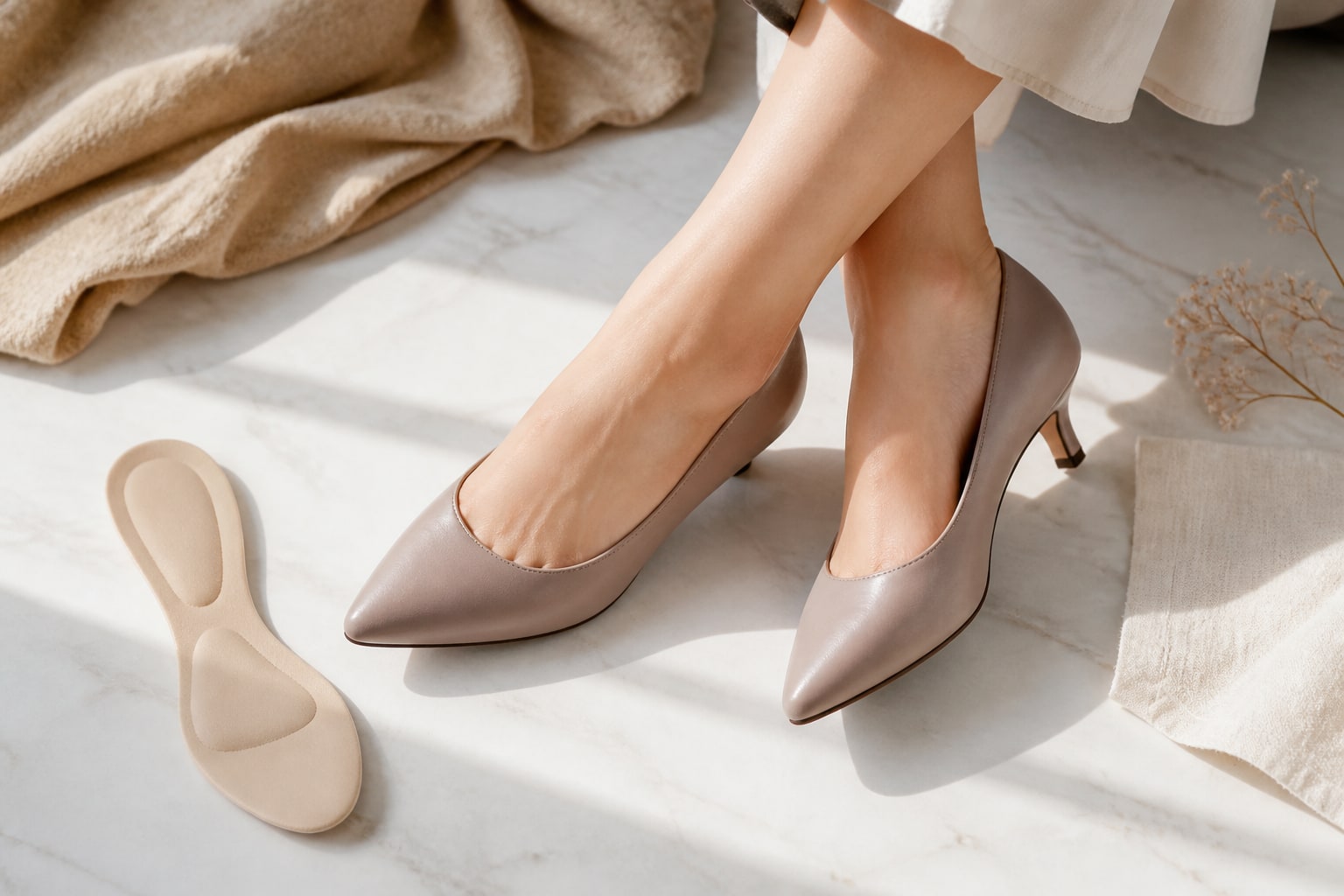
Medium heel (5-7 cm), slightly rounded or almond toe, nappa leather. Manolo Blahnik BB, Jimmy Choo Romy, Pretty Ballerinas. Range: €90 (basic Pretty Ballerinas) to €650 (Manolo). A good pair, well cared for, lasts more than ten years.
How to work out whether an expensive garment pays for itself
Simple formula: price ÷ estimated wears per year × expected years of use.
| Garment | Price | Wears/year | Years | Cost per wear |
|---|---|---|---|---|
| Wool coat €800 | €800 | 60 | 7 | €1.90 |
| Trench €1,900 | €1,900 | 40 | 10 | €4.75 |
| White shirt €150 | €150 | 50 | 5 | €0.60 |
| Leather bag €1,200 | €1,200 | 100 | 8 | €1.50 |
| Party dress €400 | €400 | 3 | 4 | €33.30 |
The party dress, therefore, is not an investment: it is an indulgence (a legitimate one, but an indulgence). The bag is.
Materials that age well (and those that don’t)
Yes: virgin wool, cashmere, Pima cotton, European linen, silk, vegetable-tanned leather, Japanese denim.
With care: good-quality viscose, modal, lyocell. They drape beautifully but require gentle washing.
Best avoided for investment: polyester, acrylic, synthetic blends above 30%, “vegan leather” made from PU (it cracks within two or three years).
Common mistakes when building a capsule wardrobe
- Buying very low-quality basics thinking that “because they’re neutral they’ll last”. They last as long as the fabric allows.
- Choosing investment pieces in risky colours. Emerald green is beautiful; camel gets worn far more often.
- Letting sales tempt you into pieces you don’t need. A 60% discount on something you won’t wear is spending, not saving.
- Not adjusting the length. A poorly hemmed trouser ruins the silhouette. If you’re unsure, check our guide on the correct length for tailored trousers.
Where to buy: accessible luxury, mid-range and second-hand
- Accessible luxury: Totême, Khaite, The Row, Loro Piana (for those who can afford it), Polène.
- Reliable mid-range: Massimo Dutti, COS, Arket, Sézane, Massimo Alba.
- Premium second-hand: Vestiaire Collective, The RealReal, Micolet. A Celine or an Hermès in good condition can sell for half price and hold its resale value.
Frequently asked questions about timeless garments
Is a timeless garment always expensive? Not necessarily. There are Uniqlo white shirts at €40 that outperform many at €200. Price helps, but guarantees nothing. What matters is fabric, cut and construction.
How many timeless garments do I need for a capsule wardrobe? Between 25 and 35 well-chosen pieces cover a complete wardrobe for a woman with an active professional life. The seven in this list are the core; the rest is built around them.
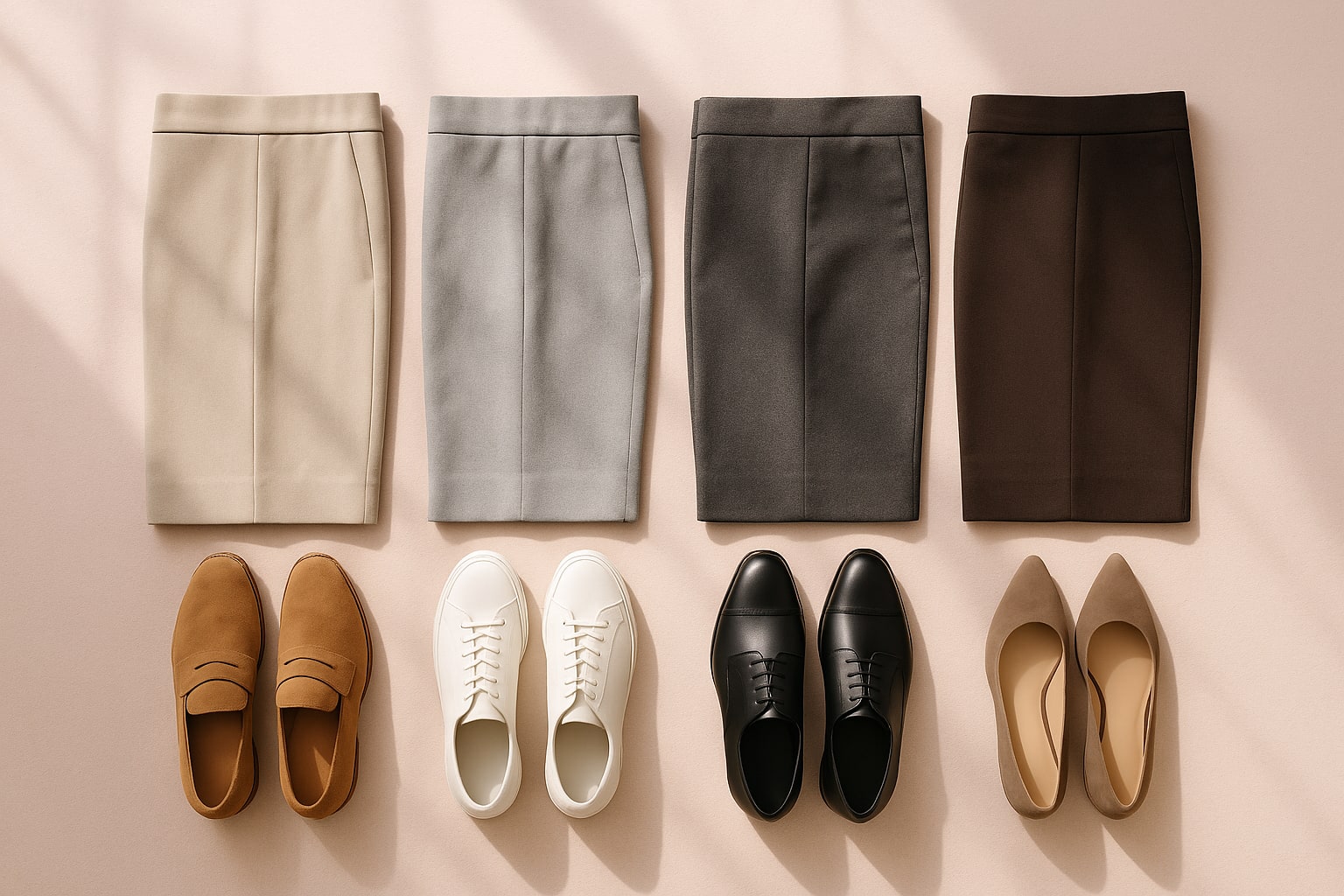
Does colour affect timelessness? A lot. Black, white, ecru, camel, navy, charcoal grey and burgundy are the seven colours that most easily stay current. Highly saturated tones date faster.
And prints? Fine diplomatic stripe, Prince of Wales check, small houndstooth and classic breton stripe. Little else qualifies as timeless without debate.
Is it worth buying second-hand as an investment? Yes, especially for bags and coats from brands with a history. A Hermès Kelly, a Celine Luggage or a Max Mara coat keep—and sometimes increase—their value. Always buy from platforms with authentication.