Layers, layers and more layers: how to do elegant layering without looking like you're in costume
A practical guide to mastering elegant layering this winter: volume rules, palette, proportions and concrete combinations that work without making you look like you're in costume.
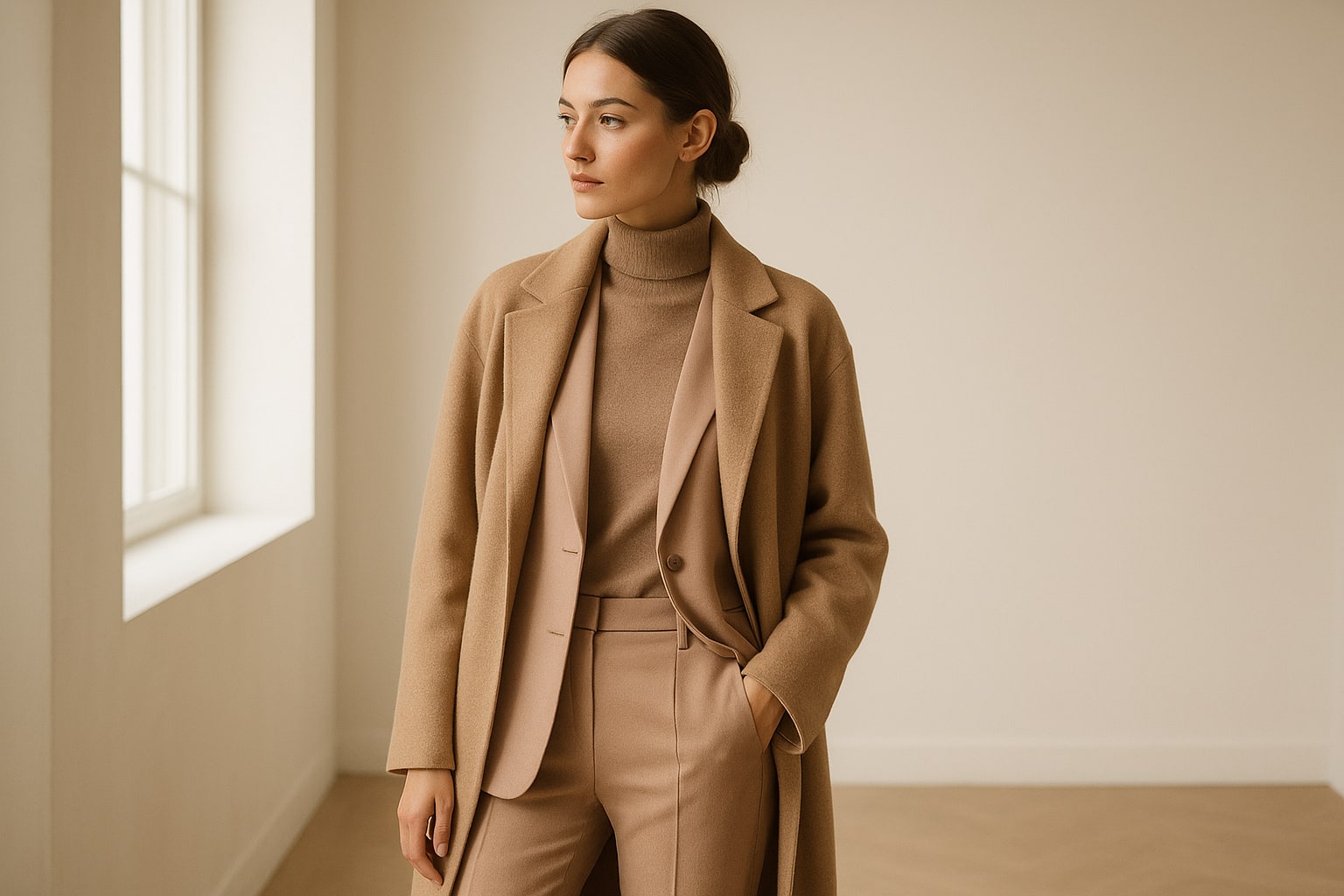
Layering has been on the runway for two seasons now and shows no sign of leaving. We saw it at Prada, Fendi, The Row and in every street style look from the latest Copenhagen Fashion Week: three, four, even five garments layered with a calm that seems improvised but isn’t. The difference between a woman who masters layering and one who looks like she got dressed in whatever she found comes down to three things: hierarchy, palette and proportion. Let’s break it down.
What elegant layering is (and what it isn’t)
Layering means putting garments on top of each other so that each layer adds something: texture, colour, temperature or length. It isn’t wearing one jumper over another because you’re cold. It’s building an outfit where each piece is seen, makes sense and adds to the whole.
Elegant layering is recognisable because, if you removed any of its layers, the look would still work. When a garment is only there to cover another or to “fill space”, the result looks more like a costume than a styled outfit.
The rule of three minimum layers
For true layering you need at least three visible pieces in the upper third of the body. Fewer than that is a regular outfit. More than five, unless you really know what you’re doing, starts to feel overloaded.
The classic structure that almost always works:
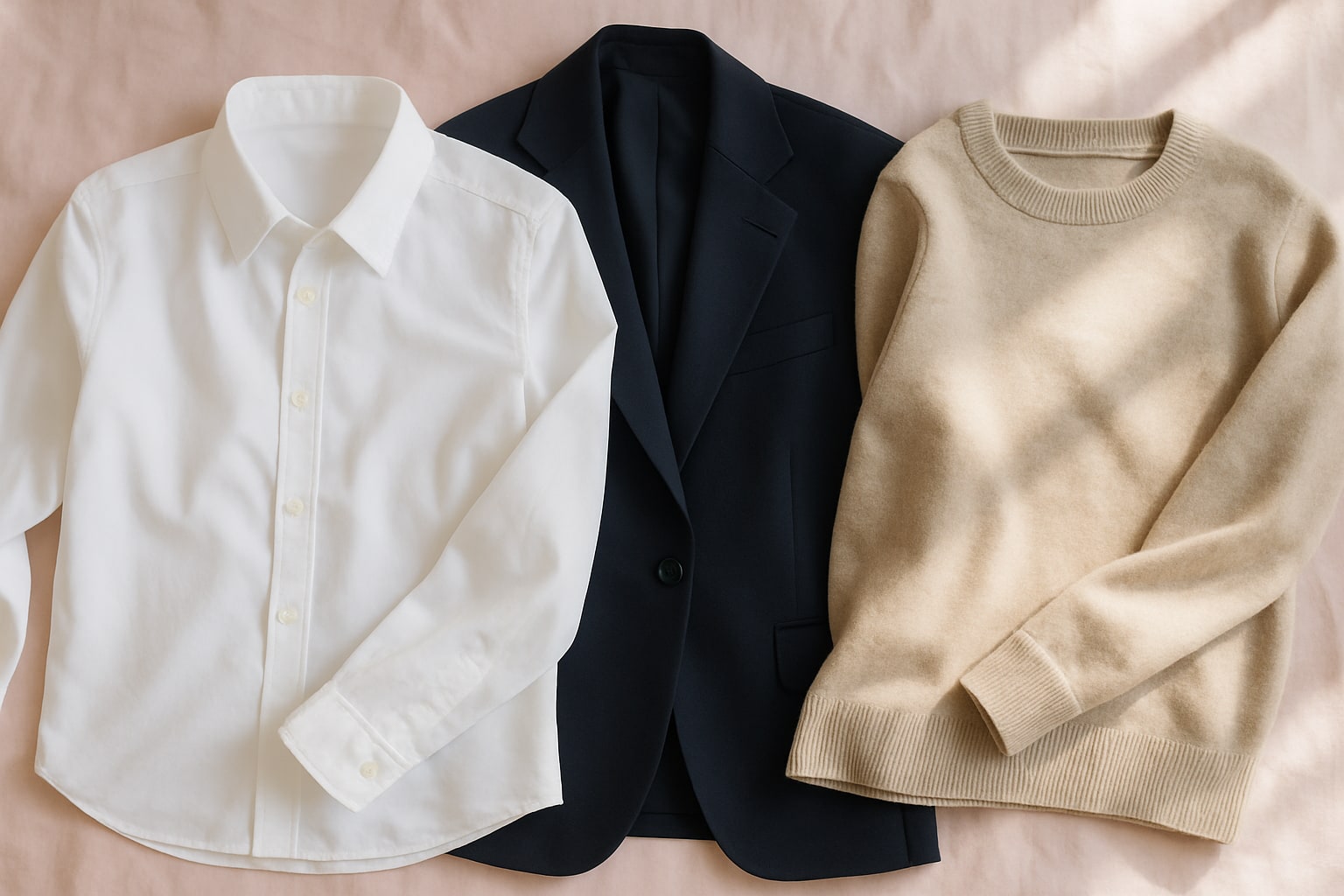
- Base layer: fine t-shirt, camisole or fitted bodysuit.
- Middle layer: shirt, fine knit, waistcoat or cardigan.
- Outer layer: coat, blazer, trench or quilted jacket.
From there you can add a voluminous scarf or an extra waistcoat if the fabric calls for it.
Volume hierarchy: the key that changes everything
The most common mistake is stacking garments of the same thickness. If you wear a thick wool jumper, a chunky knit cardigan and a wool coat, you look like a duvet with legs.
The right hierarchy goes from fine to thick, from the inside out:
- Fitted, light base (cotton, silk, viscose).
- Middle layer with some body but still flexible (poplin shirt, fine merino knit).
- Outer layer with structure or volume (wool coat, trench, oversized blazer).
This order creates silhouette. If you invert the pattern — volume underneath, fitted piece on the outside — the “love handles” effect appears.
Colour palette: three colours maximum
This is where many people go wrong. Layering calls for colour restraint. The rule that works: two neutrals and one colour, or three shades from the same family.
Combinations that always work:
- Camel, cream and chocolate.
- Charcoal grey, white and burgundy.
- Black, pearl grey and a touch of bottle green.
- Beige, off-white and navy.
If you want to introduce a strong colour — cherry red, for example, is still very present this season — do it in a single layer and keep the other two in neutrals. If you’re interested in how to dose it, we have a specific guide on how to wear cherry red without overdoing it that applies to layering too.
Proportions: the invisible maths of styling
Layering works when the lengths are staggered. If all the garments end at the same height, the look loses rhythm.
The proportion that almost never fails:
- Long camisole peeking out below the jumper.
- Jumper at hip height.
- Blazer or coat below the knee.
Or the other way round, in a short version:
- Fitted t-shirt tucked into trousers.
- Knit waistcoat at the waist.
- Short jacket such as a bomber or cropped style.
What matters is that each layer ends at a different point on the body.
Fabrics that work well together (and those that don’t)
Mixing textures is what gives an outfit richness. But not everything goes with everything.
Combinations that work:
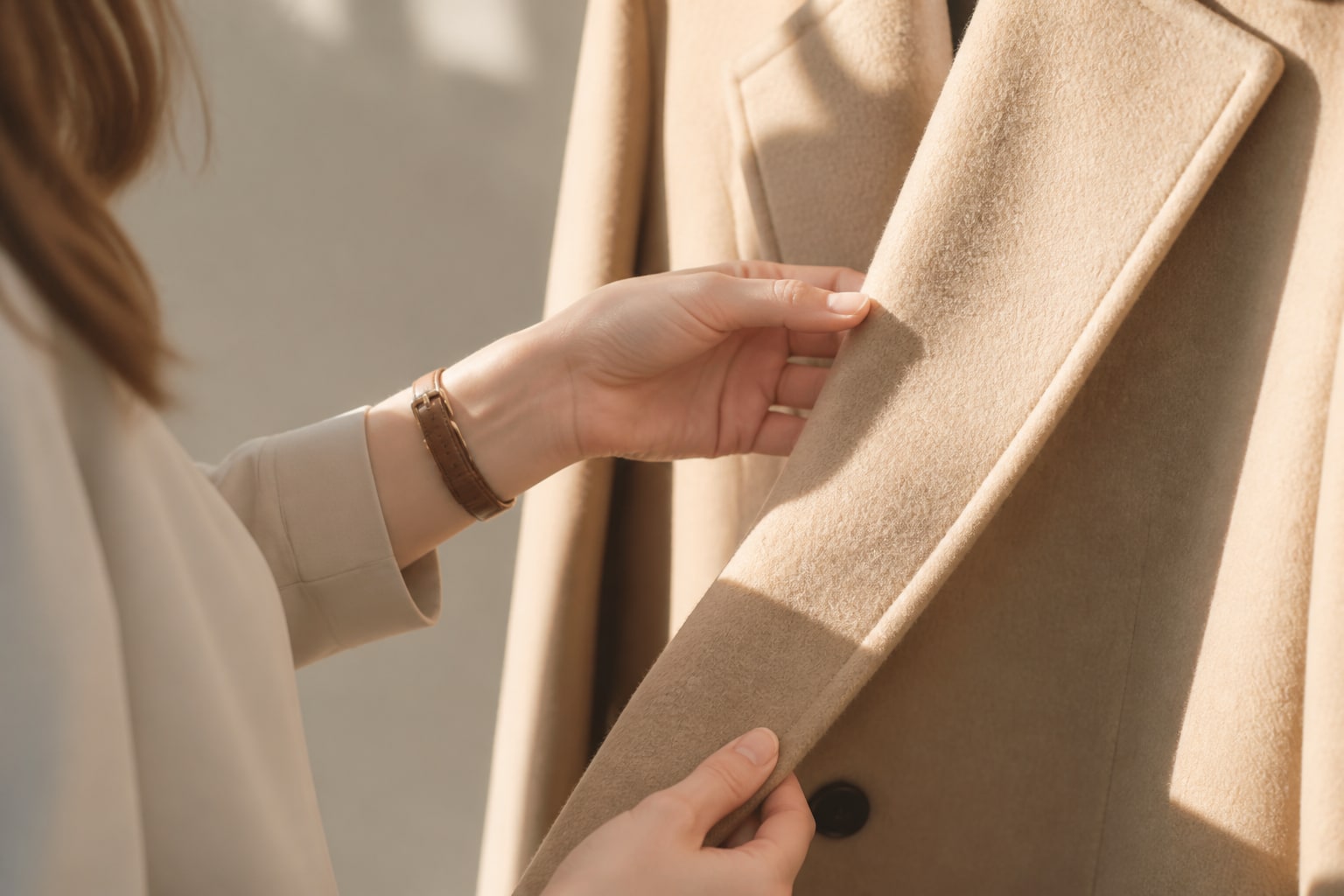
- Cotton + wool + woollen cloth.
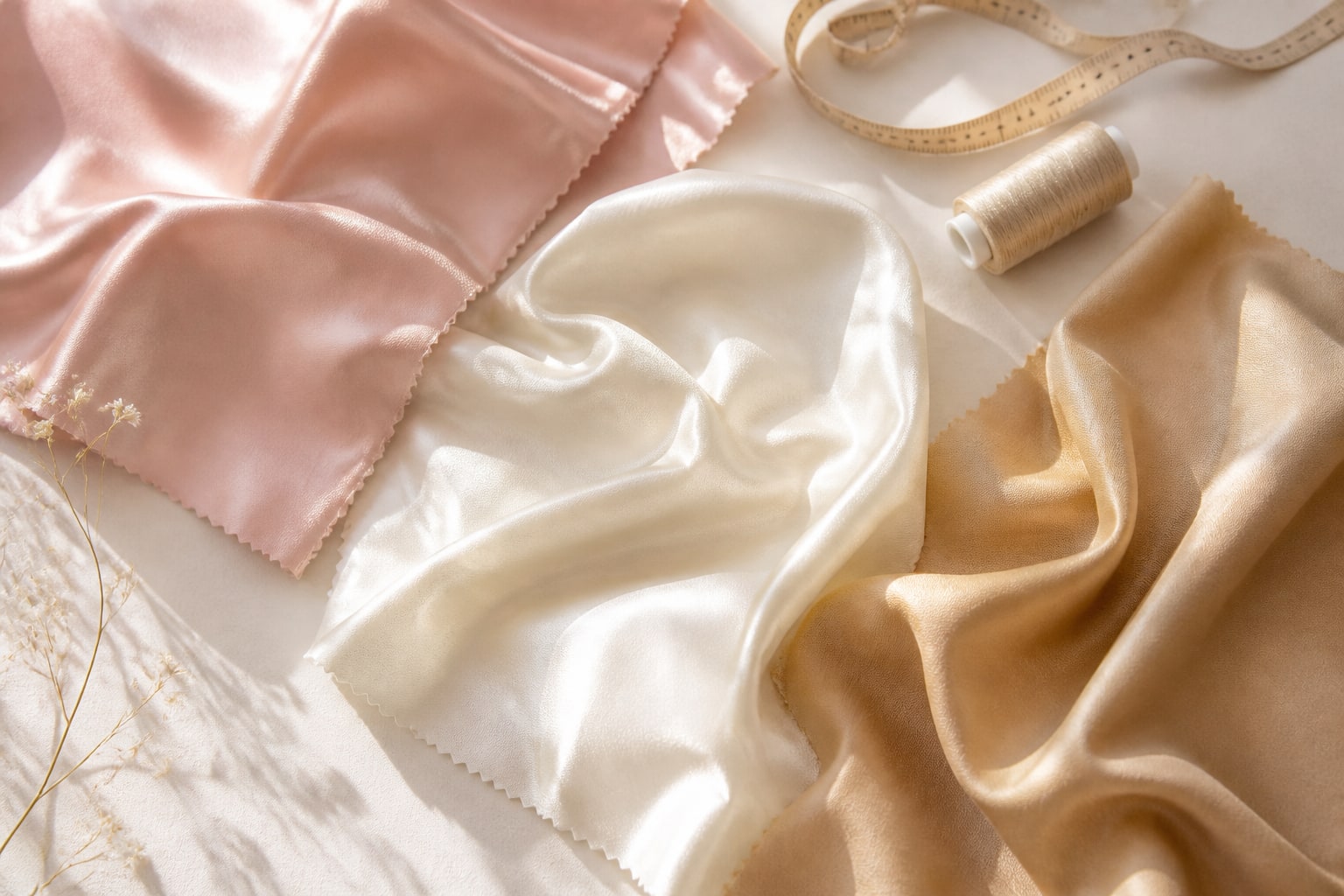
- Silk + cashmere + virgin wool.
- Poplin + fine knit + leather.
- Fluid viscose + merino + gabardine trench.
Combinations that clash:
- Two satin garments layered on top of each other.
- Chunky knit over chunky knit.
- Shiny technical fabrics mixed with rustic wool.
Pieces that solve layering this winter
If we had to keep five pieces that do all the work:
- White poplin shirt (Massimo Dutti, €59.95): the perfect base for peeking out at collars and hems.
- Sleeveless knit waistcoat (COS, around €79): adds a layer without adding bulk to the arms.
- Fine high-neck jumper (Uniqlo Heattech Extra Warm, €39.90): the most versatile middle layer, in merino.
- Oversized wool blazer (Mango, €129.99): structure over knitwear or a shirt.
- Long trench (Zara, €129 / Burberry if the budget allows): the outer layer that ties everything together.
The combination of a white shirt and dark jeans is an excellent base to build layers on: you know the starting point already works.
Three complete looks, ready to copy
Look 1 — Office with character: Bone-coloured silk camisole + open white shirt + grey fine knit + black oversized blazer + black tailored trousers + loafer. Four visible layers, three neutrals, zero apparent effort.
Look 2 — Urban weekend: Fitted white t-shirt + denim shirt + camel shearling waistcoat + beige trench + straight jeans + tall brown boots.
Look 3 — Casual dinner: Black high-neck bodysuit + sheer black shirt + burgundy knit waistcoat + charcoal grey long coat + straight black trousers + heeled ankle boot.
Common mistakes that ruin layering
- Mixing more than three strong colours.
- Layering prints without a neutral to separate them.
- Belts over belts (it looks like a costume).
- Voluminous scarves with already voluminous coats.
- Forgetting length: if all the garments end at the same height, there’s no layering, just bulk.
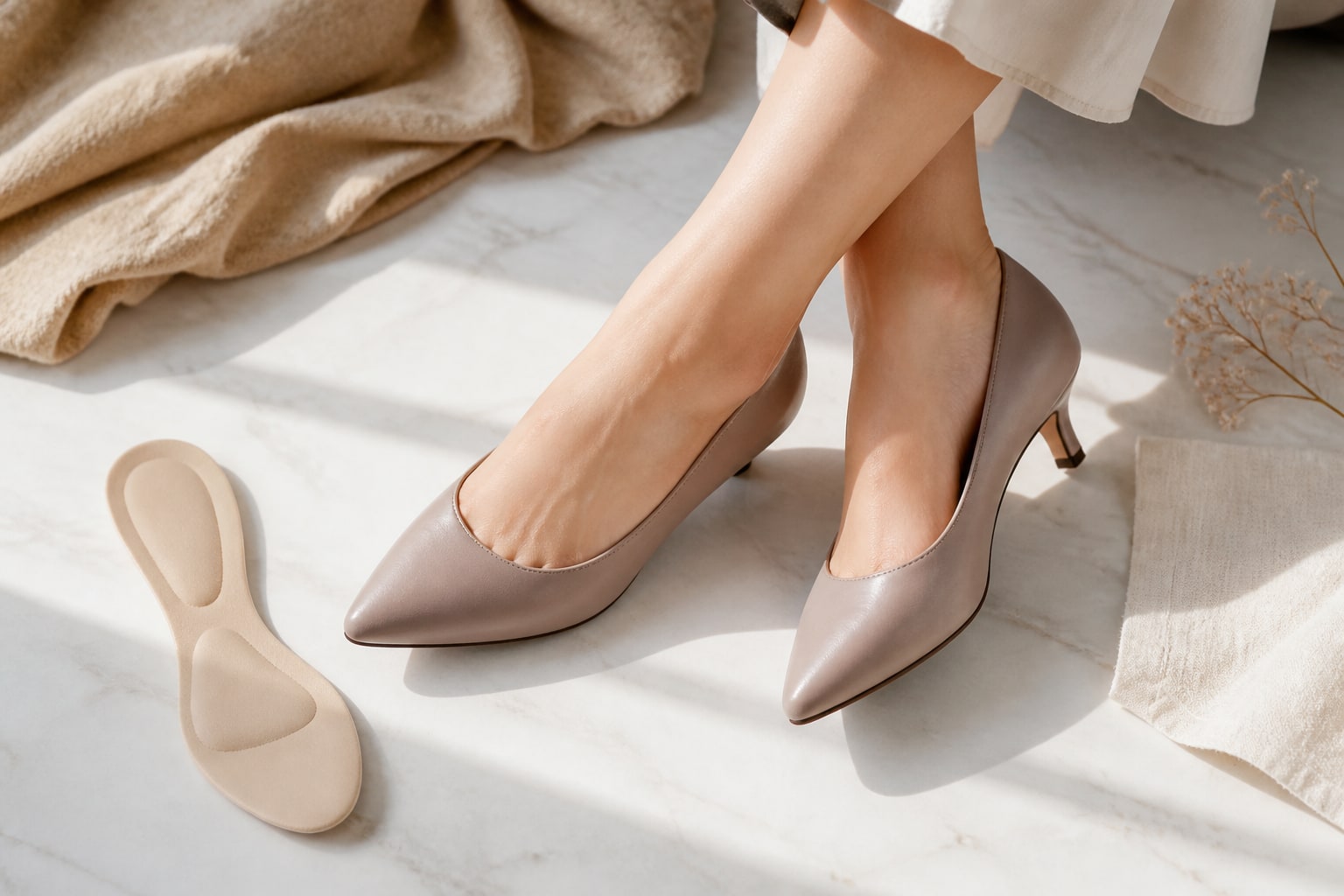
- Wrong shoes: a carefully layered outfit loses all its elegance with white trainers. Better a loafer, a low-heeled ankle boot or a tall boot.
When layering isn’t your ally
Be honest with yourself: if you’re going to spend the day going in and out of places with very high heating, four layers become a logistical problem. Layering calls for a stable temperature or genuinely cold outdoors.
It also doesn’t work with rigid or bulky garments on the bottom: if you’re wearing wide heavyweight wool trousers, don’t add three layers on top. Balance always rules.
Once you’ve mastered this, layering stops being a seasonal trick and becomes a tool you’ll use every winter. In the end, elegant layering isn’t about owning more clothes, but about knowing how to read the ones you already have in your wardrobe.