What is a total look and how do you build one properly?
A practical guide to understanding what a total look is, how to put one together without looking like a mannequin, and which mistakes to avoid. With styling examples and current runway references.
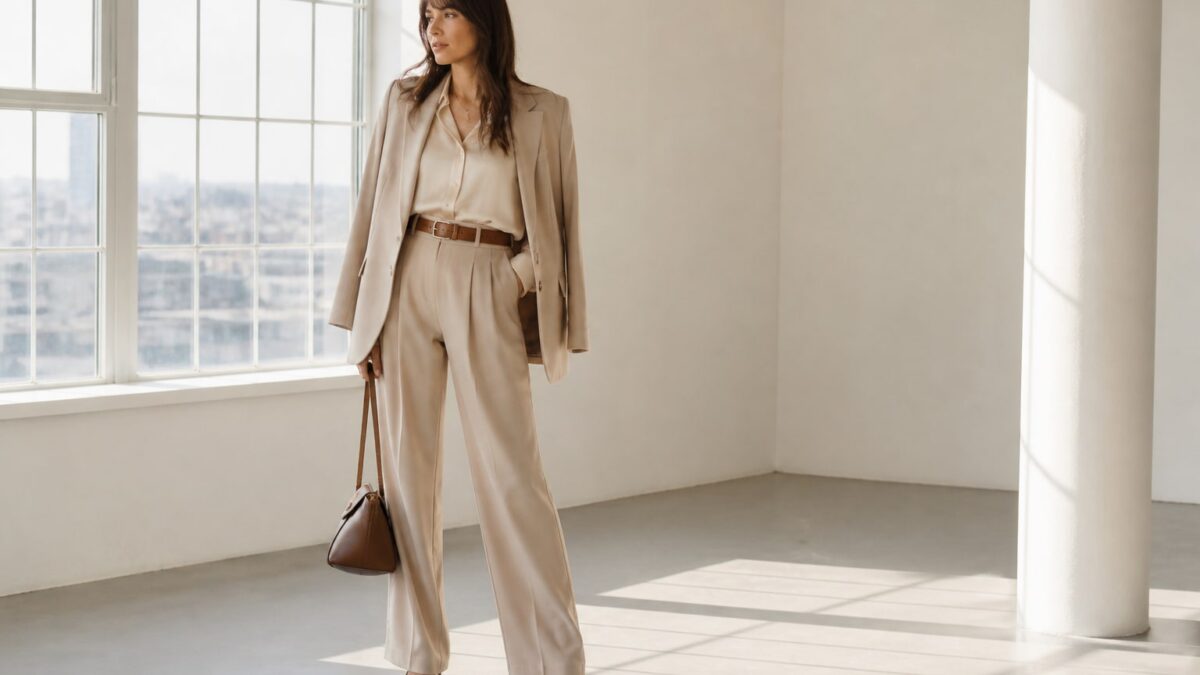
There are days when you open the wardrobe, grab whatever goes together and rush out the door. And there are days when you feel like something more: a considered styling idea that reads from start to finish and says something. That, in essence, is a total look. It is not a uniform or a pose: it is a way of dressing with intention.
We explain exactly what it means, how to build one without ending up looking like a shop-window mannequin, and what tricks stylists use so it works equally well in the office or at an evening wedding.
What a total look is in fashion
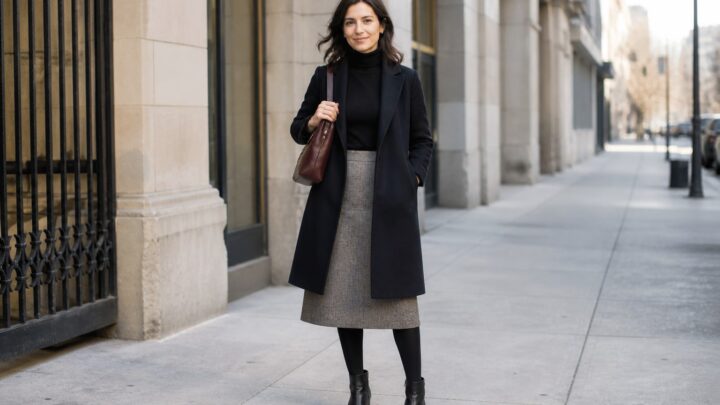
A total look is a styling built as a single unit: every garment and accessory follows the same guiding thread, whether that is colour, fabric, brand or aesthetic code. We are not talking about being “coordinated” in the old sense, but about the outfit having visual coherence from top to bottom.
The term became popular on the runway when fashion houses began presenting complete silhouettes — garment, shoe, bag, jewellery — conceived as one single image. Today you will see it both in street style in Copenhagen and in editorials in Vogue.
Quick reference: the total look at a glance
| Detail | Value |
|---|---|
| What it is | Styling with a single guiding thread (colour, brand, fabric or code) |
| Origin of the term | Fashion runways and editorials, 1990s |
| Minimum pieces | 3 (top, bottom and footwear) |
| Key to making it work | Play with textures and shades, not with identical pieces |
| Occasion | Office, events, red carpet, an elevated everyday look |
| Most common mistake | Flat monotony from lack of textural contrast |
Monochrome total look: the easiest to wear
This is the entry point. It consists of wearing a single colour range from top to bottom: camel on camel, chocolate with chocolate, pearl grey with marengo grey. We saw this very clearly in Max Mara’s latest collection and in Loewe’s shows, where Jonathan Anderson played with an entirely ecru palette.
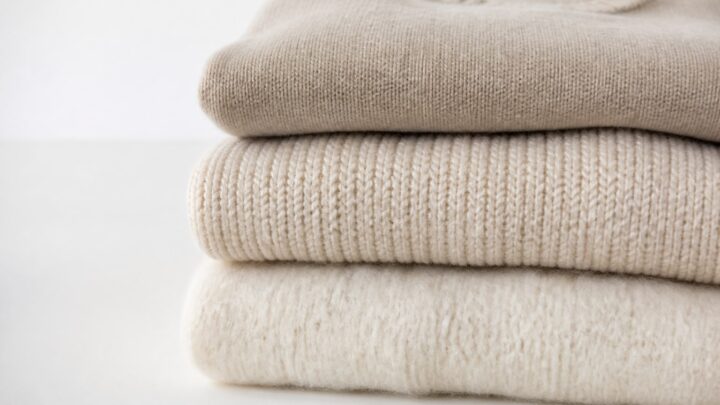
The trick is not to match the exact colour in every garment — which is nearly impossible — but to move within the same tonal family. Three shades of beige sit together better than two identical beiges and one piece that stands out.
Brand total look: the house code
Here you wear a single label from head to toe. It is the red carpet’s favourite format: Zendaya in full Louis Vuitton, Rosalía in a total Dior look, Blanca Suárez opting for head-to-toe Carolina Herrera.
It works because each maison has a recognisable DNA. The risk is looking like a walking press kit. To avoid this, mix one piece from the current season with an archive accessory or something vintage from the same house.
Total look by aesthetic code
This is the most interesting one and the one that makes the difference between dressing and styling. The guiding thread is a concept: 1970s tailoring, 1990s minimalism, contemporary boho, quiet luxury aesthetic, Victorian romanticism.
The pieces can come from different brands and in different colours, but they speak the same language. This is the territory where stylists such as Law Roach or Lorenzo Posocco shine.
How to put together a total look step by step
There is an order that works. It is not rigid, but it saves time in front of the mirror.
- Decide the guiding thread. Colour, brand or code? Choose one, not all three at once.
- Fix the silhouette. Wide on top and fitted below, or the other way round. Proportion matters more than colour.
- Choose the star piece. A long coat, a voluminous dress, a tailored suit. The rest accompanies it.
- Play with textures. If everything is smooth, the look dies. Mix wool with satin, knitwear with leather, chiffon with tweed.
- Finish with accessories in the same conversation. Bag, belt and shoe either add or subtract.
- Remove one thing before leaving. Coco Chanel’s rule still holds.
Three ways to wear it depending on budget
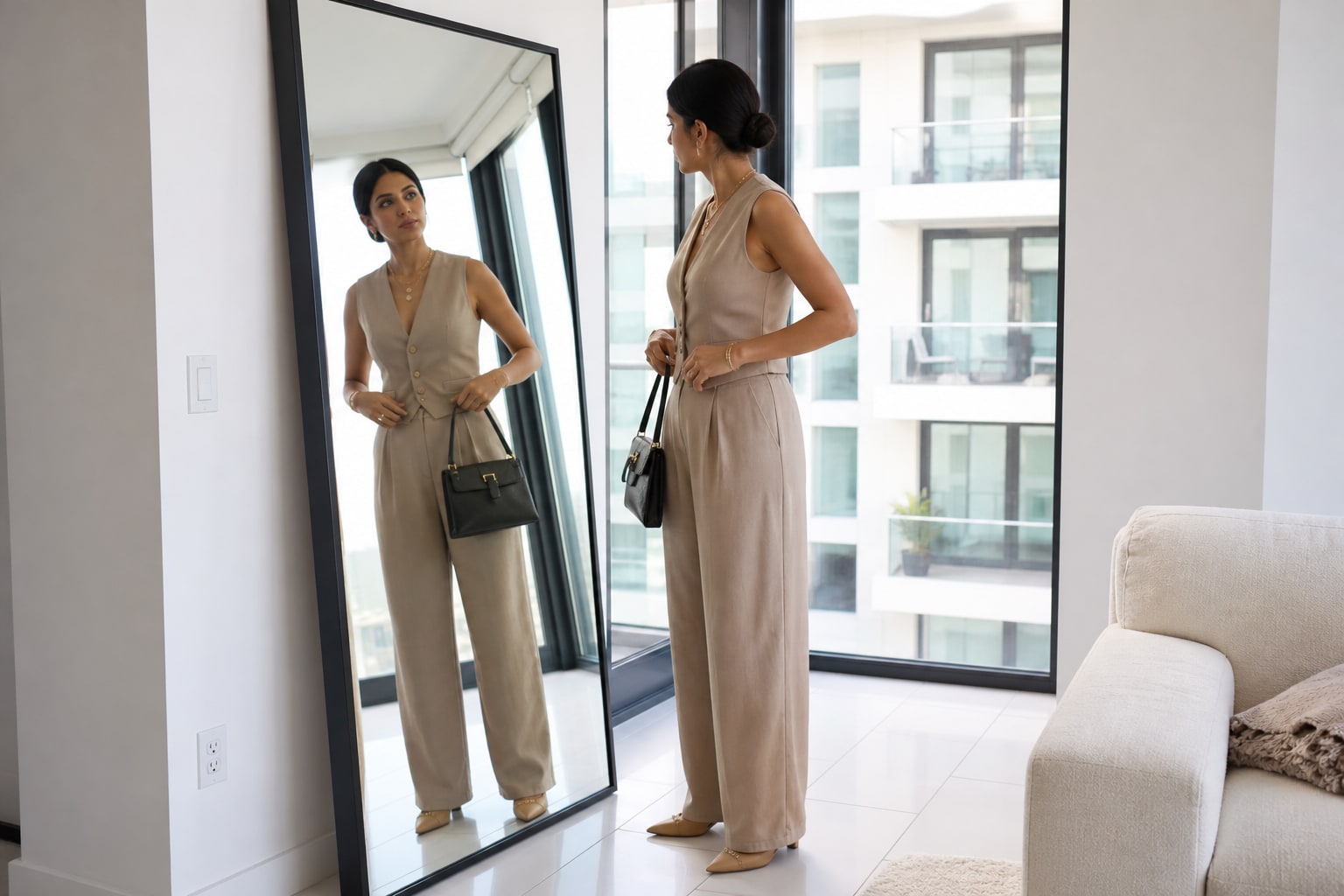
The same idea — a chocolate total look for daytime — can be achieved at different price points.
| Level | Key pieces | Approximate total price range |
|---|---|---|
| Low-cost | Knit jumper + wide trousers + Zara or Mango ankle boots | €120-180 |
| Mid-range | Massimo Dutti blazer + silk shirt + COS trousers | €400-600 |
| Luxury | Max Mara suit + Totême shirt + The Row loafer | €2,500-4,000 |
The visual result is not identical, but the concept works at all three levels. The difference is marked by the drape of the fabric and the finish of the footwear.
Textures: the secret that separates the good from the flat
A monochrome total look without textural play looks flat in photos and even more so in person. If you go all black, combine cool wool with polished leather and a touch of satin. If you opt for off-white, mix poplin, chunky knit and suede.
Here it helps to be clear about what your garments are made of: the drape of silk is not the same as that of satin or sateen, and that difference shows in how the outfit reads.
The role of accessories
In a total look, accessories are not decoration: they are part of the equation. A bag in a slightly darker shade than the rest creates depth. A slim belt in the same colour elongates. A contrasting shoe breaks the monotony without breaking the code.
If in doubt, go for earth tones, black or burgundy for the bag: they resolve almost any combination.
Make-up and hair: part of the total look
This is often forgotten. A considered styling calls for a coherent beauty look. If your total look is minimalist in ecrus and beiges, a very bold smoky eye clashes. If it is 1980s tailoring, a matte red lip complements it.
The informal rule: if the clothes shout, the make-up whispers. And vice versa.
Common mistakes when building a total look
- Identical pieces in exactly the same colour. The eye seeks nuance. Two identical blacks in different fabrics almost never match 100%, and that shows badly if you meant them to match.
- Forgetting proportion. A total look that is wide from top to bottom hides the body. One that is fitted from top to bottom tires the eye. There should always be a contrast.
- Accessories from another code. A quiet luxury total look with a logo bag shouts incoherence.
- Too much print. The printed total look exists — florals over florals at Zimmermann — but it demands different scales: a large floral with a small one, not two medium prints competing.
- Wrong shoe. A beautiful suit with worn-out footwear drops the whole outfit two levels.
When a total look suits you best and when it doesn’t
It suits you best if you are clear about which silhouette flatters you and know where you want the visual focus to fall. Also if you are attending an event where you will be photographed a lot: it works impeccably on camera.
Avoid it if you are going to spend the day moving between meetings, lunches and various errands: it can feel too studied for a changing context. In that case, lower the intensity and let a single piece be the star.
References for inspiration this season
- Autumn-winter 2026 runway: Khaite in browns, Ferragamo in burgundy, The Row in greys.
- Street style: the women at Copenhagen Fashion Week insist on the colour-block total look with a visible sock.
- Recent red carpet: choices by Nicole Kidman in Balenciaga and Greta Lee in Loewe, both in a monochrome key.
The total look is not a costume or an exercise in rigidity. It is, basically, deciding that today your clothes are going to tell one story instead of three at once. Once you get the knack of it, it’s hard to go back.