How to Dress for a Royal Reception: The Rules Followed by Letizia and Kate
A style and protocol guide to a royal reception, with the dress code rules applied by Queen Letizia and Kate Middleton. Length, colour, headpiece, jewellery and timing.
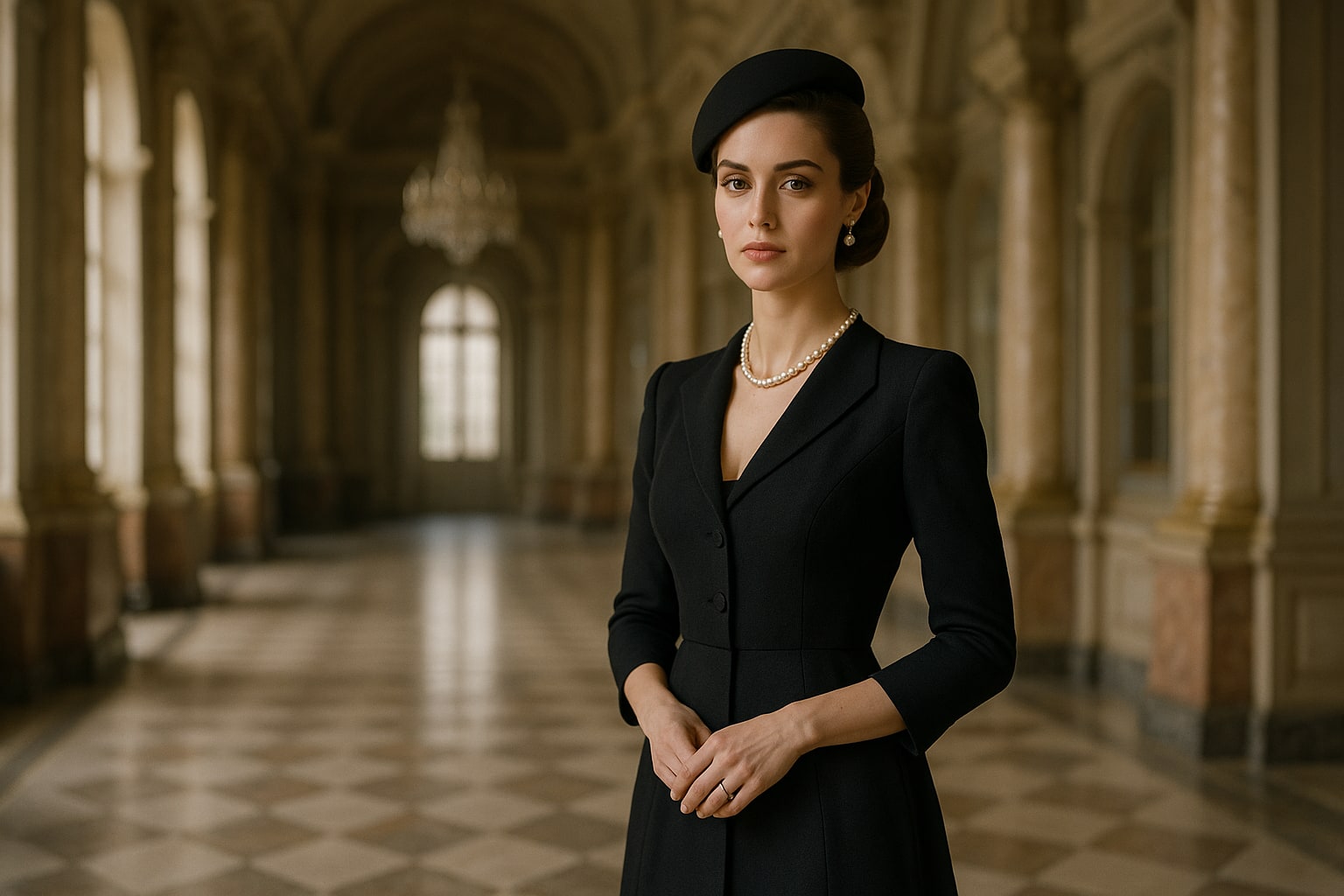
A royal reception is not a friend’s wedding or a corporate cocktail. There is a code, written and unwritten, that the regular guests at Zarzuela and Buckingham know inside out. And even if you will never shake the hand of a head of state, understanding these rules is a masterclass in formal elegance that works for any high-profile event.
Letizia and Kate Middleton are today the two most cited references when it comes to contemporary European protocol. Let’s look at what they do, why they do it and what can be borrowed.
What exactly a royal reception is
A royal reception is an official event at which the reigning family receives guests—diplomats, authorities, cultural representatives—in an institutional setting. It may be a lunch at the Royal Palace of Madrid, a garden party at Buckingham or a gala dinner for a state visit.
The level of demand in dress depends on three factors: the time, the venue and whether or not there are foreign heads of state present. The more protocol, the less room for creativity.
The clock rule: what to wear according to the time
Time is decisive. It is the first question the stylists of the Royal Household ask before proposing anything.
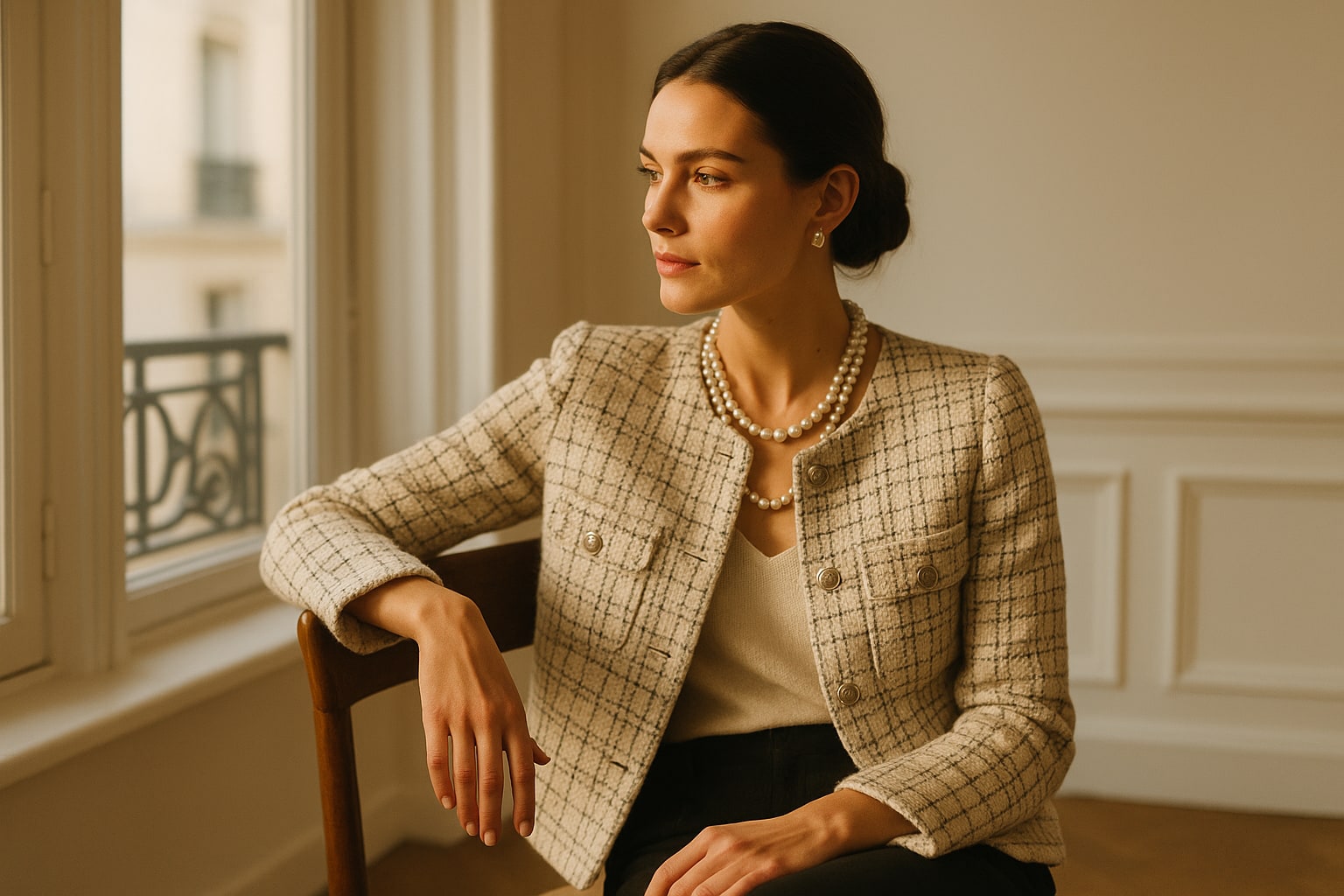
- Before 19:00: midi dress or suit jacket and trousers, matte fabrics, a headpiece if the event calls for one. It is Letizia’s favourite territory for daytime events.
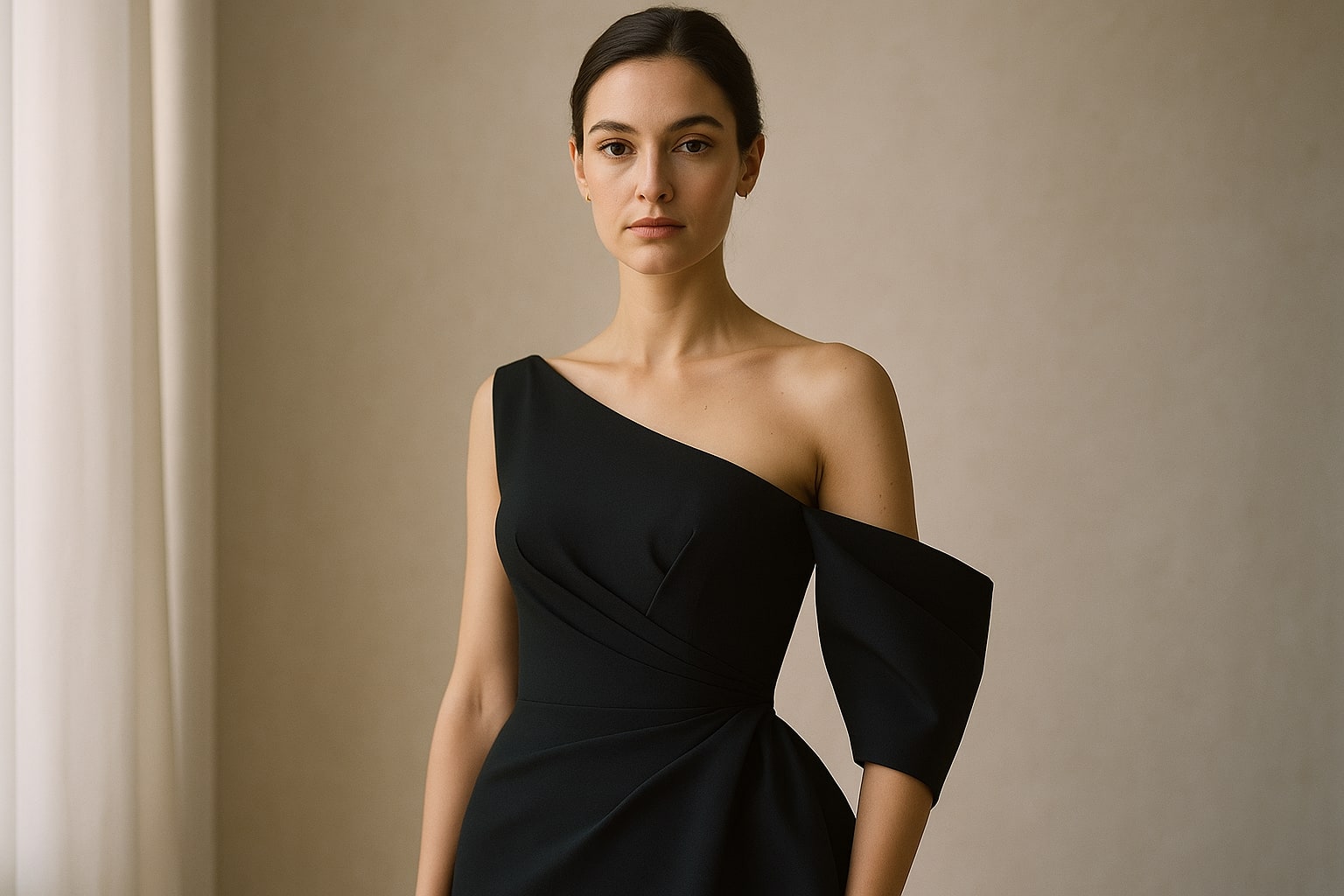
- Between 19:00 and 20:30: cocktail dress, midi or ankle-length, fabrics with more body (crêpe, mikado, velvet in winter).
- From 20:30 onwards: long gown, important jewellery and, at gala dinners, decorations worn on the sash where applicable.
If you are torn between two options, choose the more covered and the longer one. You will never stand out for being “too understated” at a royal event.
Dress length: the silent norm
At daytime receptions, the minimum acceptable length falls just below the knee. Letizia almost always stretches it to mid-calf, which elongates the silhouette and respects protocol without looking old-fashioned.
At gala dinners, the length is floor-length. No exceptions. Kate has worn Jenny Packham, Alexander McQueen and Alessandra Rich in this register, and never above the ankle when black tie applies.
If you have doubts about these codes in general, we have a complete guide to decoding black tie, cocktail and semi-formal that will spare you more than one awkward moment.
Neckline, shoulders and sheer fabrics
Moderate neckline, always. For daytime, shoulders covered or partially covered: French sleeve, three-quarter sleeve or a good bolero jacket. Letizia relies heavily on dresses with fine long sleeves and layered overlays by Felipe Varela and Carolina Herrera.
Sheer panels only in neutral areas (upper chest, sleeves), never on the midriff or legs. Kate solves this with nude-lined lace, a resource copied by half of European aristocracy.
Colour: the diplomatic language
Colour at a royal reception is not an aesthetic matter, it is a message.
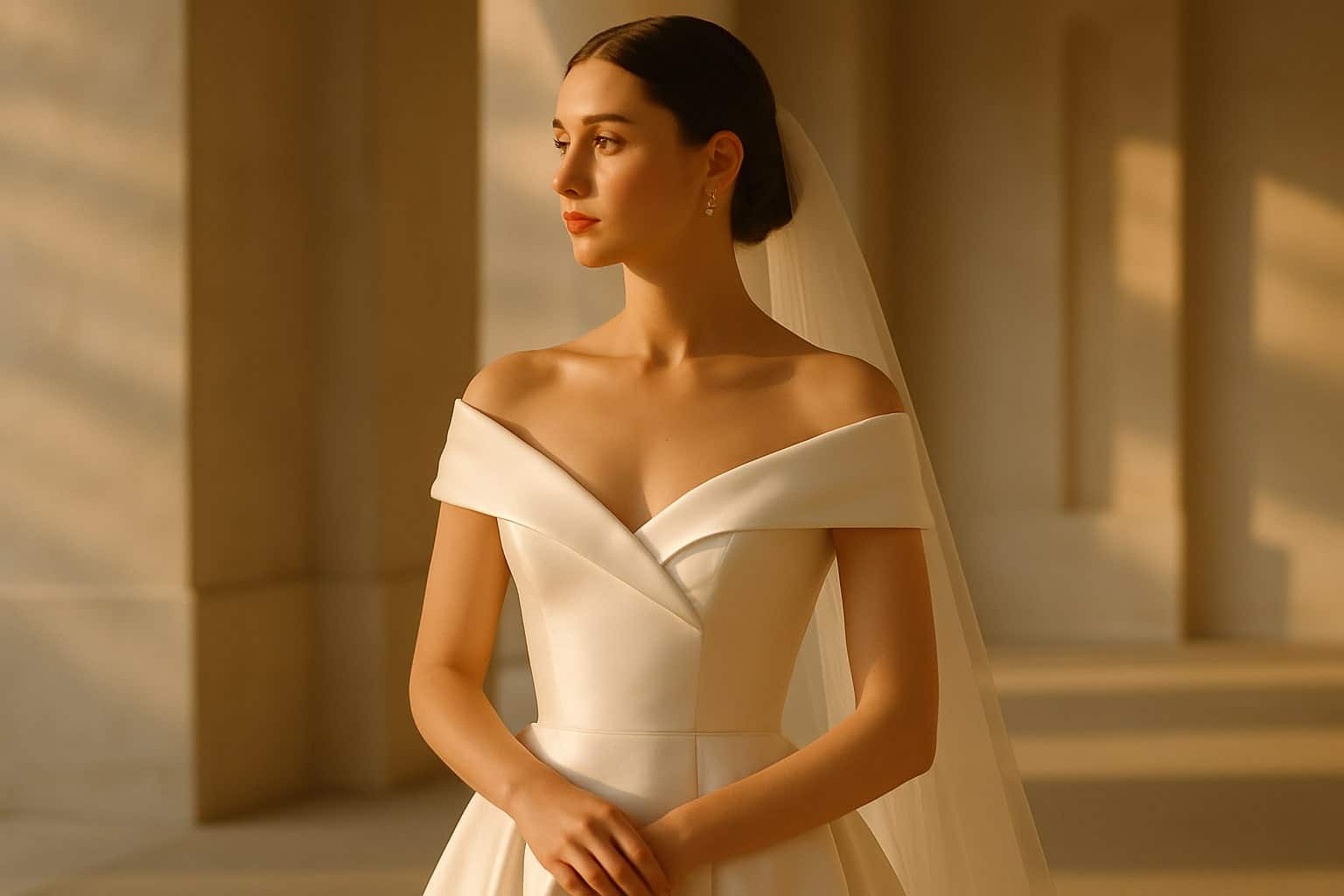
- Pure and off-white: reserved for the hostess or the so-called privilège du blanc (worn only by Catholic queens before the Pope).
- Strict black: avoided at cheerful daytime events; reserved for formal dinners or mourning.
- Red, cobalt blue, emerald green, powder pink: diplomatic colours par excellence. Letizia uses red for gestures of strength; Kate uses blue to convey warmth.
- Prints: accepted at informal daytime events, almost never at gala dinners.
If you are attending an event in Spain in autumn, check which colours flatter your skin tone before deciding.
The headpiece: when yes and when no
Here Spain and the United Kingdom diverge.
- British protocol: a hat or headpiece is compulsory at official daytime events until 18:00. Kate never appears without one at Trooping the Colour or at Ascot.
- Spanish protocol: the headpiece is used at royal weddings and religious events, not at civil receptions. Letizia rarely wears one; she prefers hair pinned up loosely or down with discreet waves.
At royal weddings, the Spanish mantilla has its own rules: black for events before the Pope or funerals, white only if you are unmarried and before the Pontiff.
Jewellery: fewer pieces, but better ones
Jewellery at royal receptions follows the rule of “one statement per look”. Either important earrings, or a necklace, or a tiara—the latter reserved for members of the reigning family at gala dinners.
Letizia has popularised the long earring with a sleeved dress and high neckline: it concentrates all the light on the face. Kate pairs discreet earrings with inherited brooches, a constant nod to Queen Elizabeth and Diana.
Pearls are always safe. Diamonds, from the evening onwards.
Handbag, gloves and shoes
- Handbag: hand-held, small, structured. Never a crossbody.
- Gloves: optional by day, elegant at long evening events (above the elbow with a sleeveless dress).
- Shoes: closed-toe pumps, stable medium-high heel. Letizia has long been loyal to Magrit and Prada; Kate to Gianvito Rossi and Emmy London.
No visible platforms or very open sandals at official daytime events.
Make-up and hairstyle: the invisible finish
Royal reception make-up is luminous yet matte across the T-zone, with a defined eye without excess and lips in rosy tones, dark nude or discreet burgundy. Kate keeps her classic brown smokey eye; Letizia has moved in recent years to more intense lips, in line with the burgundy lip that replaces the classic red.
Hair pinned up or half-up. Neither loose XXL manes nor tight ballerina buns.
What you will never see at a royal reception
Jeans, even dark ones. Very short dresses. Large logos. Sneakers. Oversized bags. Deep necklines during the day. And overpowering perfume: in enclosed protocol spaces, fragrance is applied to the wrists and nape, never to the décolletage.
Royal elegance, in the end, comes down to one idea: stand out without interrupting. Neither Letizia nor Kate wants to be the photo of the day because of her dress. They want the dress to accompany what they are doing. And that, perhaps, is the hardest rule to learn.